Native Nations.
The Oregon Trail and the routes that branched from it ran through the homelands of many Native nations, who had lived there long before the first wagons came. Each page here covers one nation’s history and leaders, what the trail and the treaties that followed meant for its people, and where the nation lives today.
- nations along the trail and its branches
- 8
- language families, plus Cayuse, a language isolate
- 5
- leaders profiled
- 21
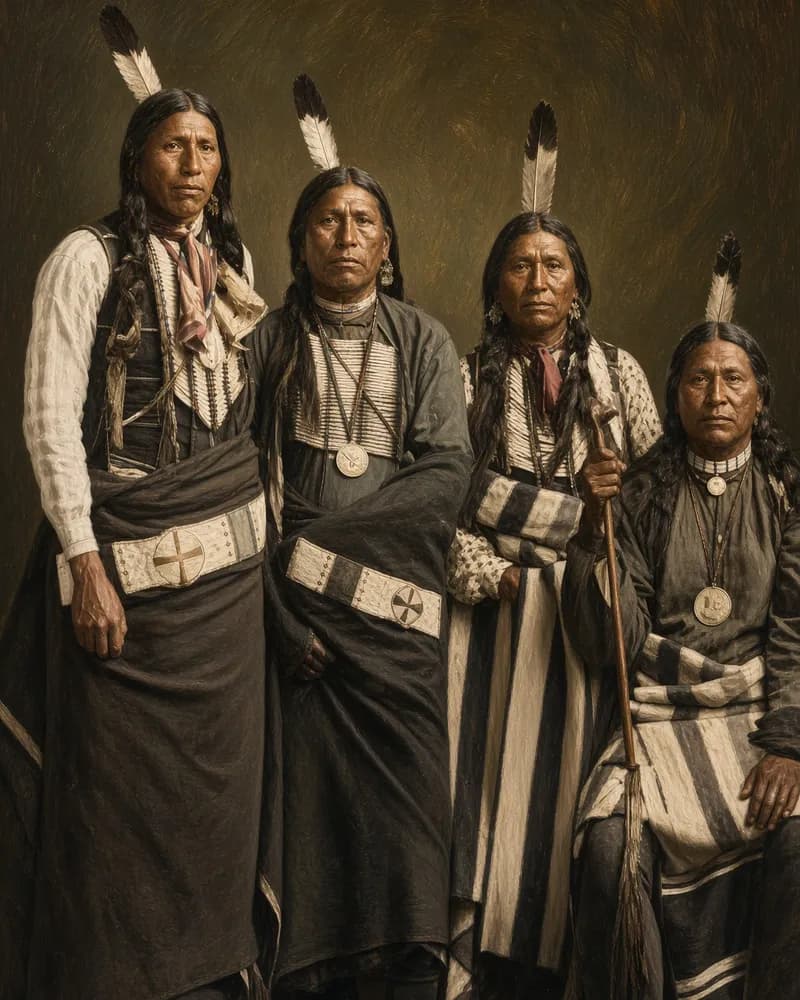 Central Nebraska · Platte RiverRead full entryCaddoan (Pawnee)
Pawnee
Farmers and bison hunters who lived in earth-lodge villages along the Loup and other rivers of present-day Nebraska, and whose hunting grounds the wagon trains crossed. In the trail years the Pawnee lost most of their people to smallpox, cholera and war with the Lakota, and in the 1870s they moved to Indian Territory, today's Oklahoma.
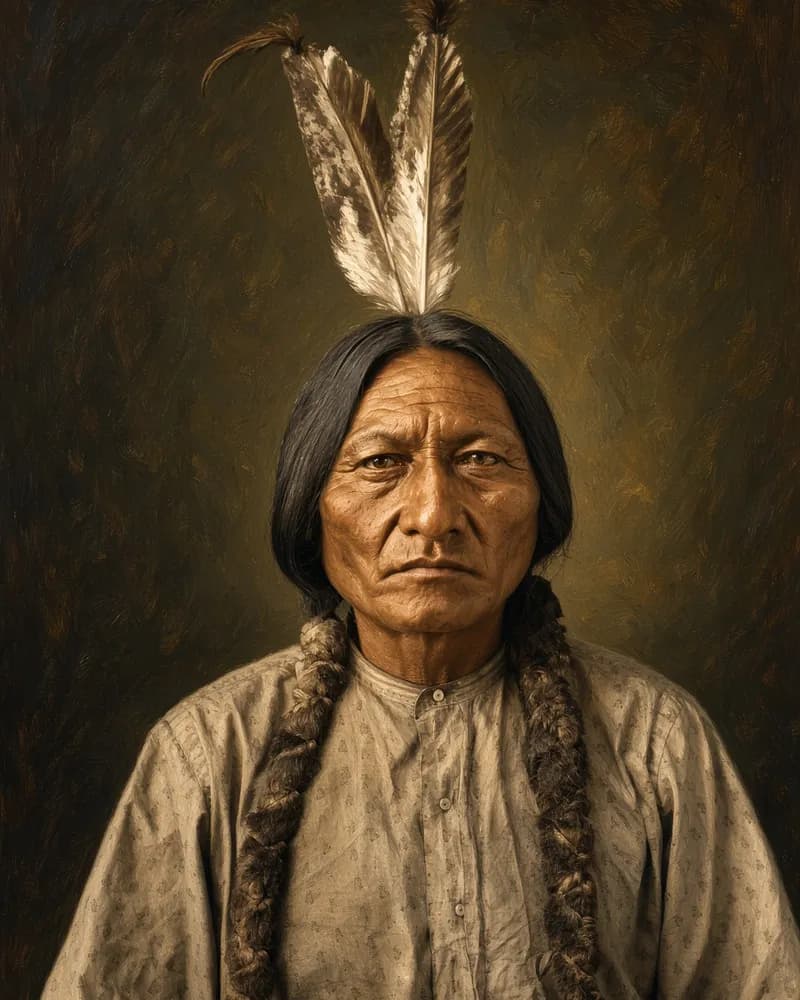 Northern Plains · Black HillsRead full entrySiouan (Lakȟótiyapi)
Lakota (Sioux)
Horse-riding bison hunters who by the trail years held the plains north of the Platte, from the Missouri River to the Black Hills and beyond. Emigrants met Lakota families near Fort Laramie. The 1851 treaty promised yearly payments for safe passage, but conflict over land and game grew into decades of war.
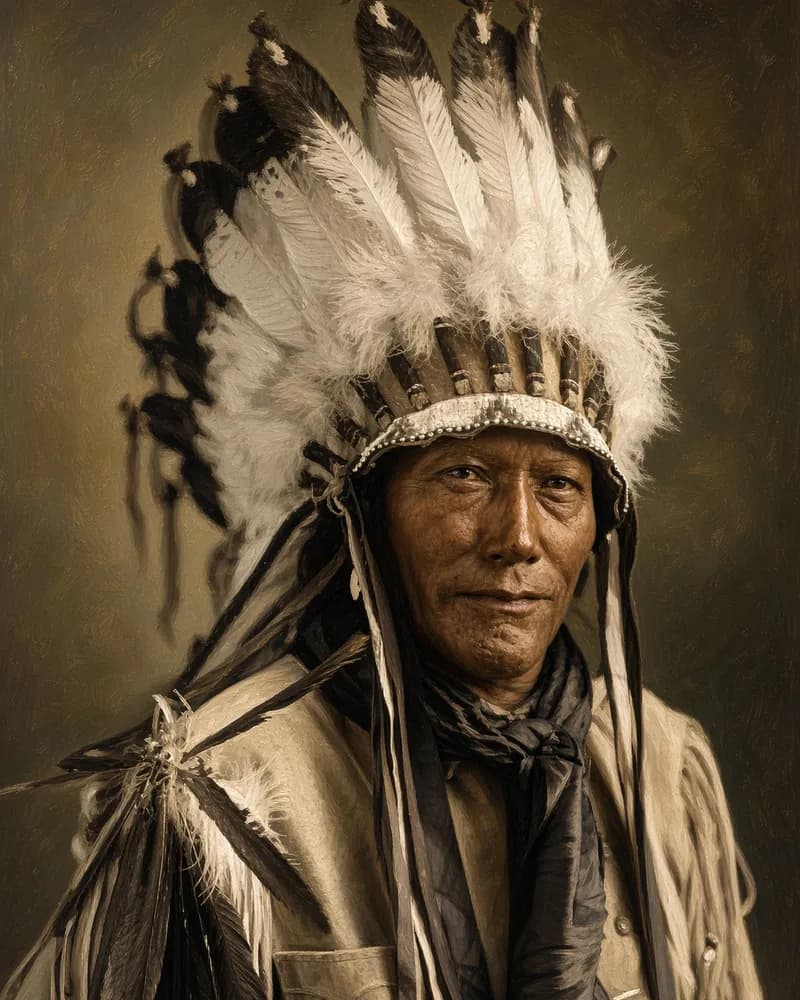 High Plains · Platte to ArkansasRead full entryAlgonquian (Tsėhesenėstsestȯtse)
Cheyenne
Plains horse people and close allies of the Lakota and Arapaho, whose hunting grounds lay between the North Platte and the Arkansas, along the southern side of the trail. Emigrant traffic thinned the bison and brought cholera, which may have killed half the Southern Cheyenne in 1849. The Sand Creek Massacre of 1864 turned growing tension into years of war.
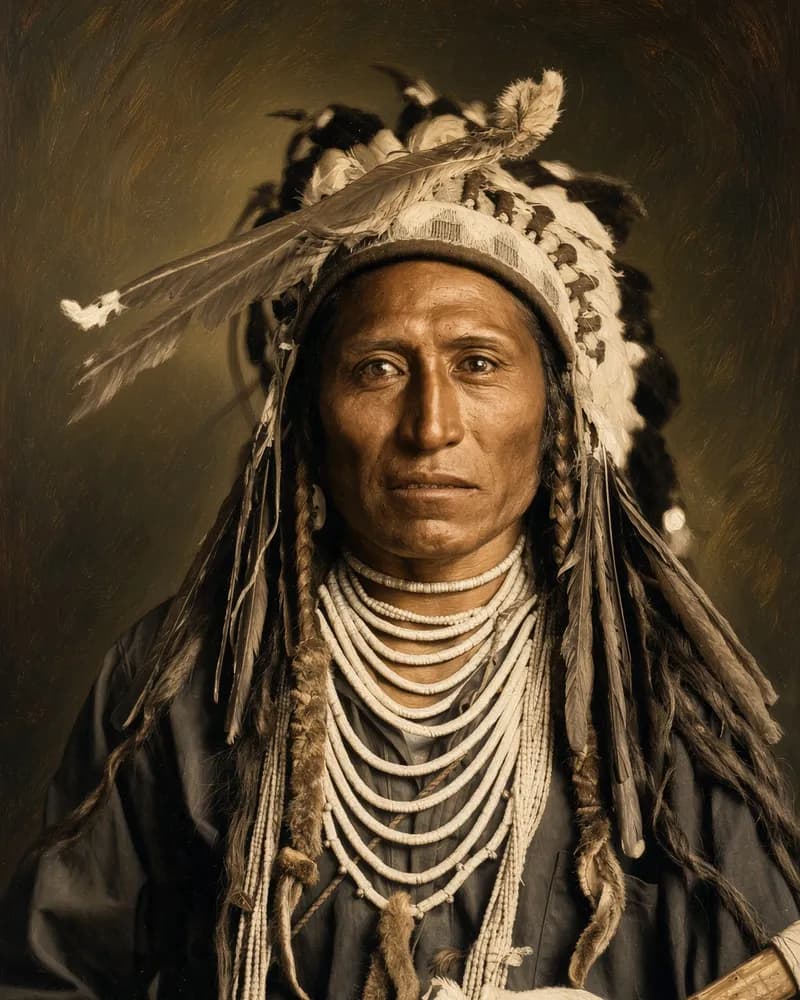 Wyoming · Idaho · Great BasinRead full entryUto-Aztecan (Shoshoni)
Shoshone
Horse-riding bison hunters in the Rockies and fishers and gatherers on the Snake River Plain and in the Great Basin, in the country around South Pass and Fort Hall. The Eastern Shoshone under Washakie kept peace with emigrants, but bands farther west were squeezed by the traffic, and violence on both sides led to the Bear River Massacre of 1863.
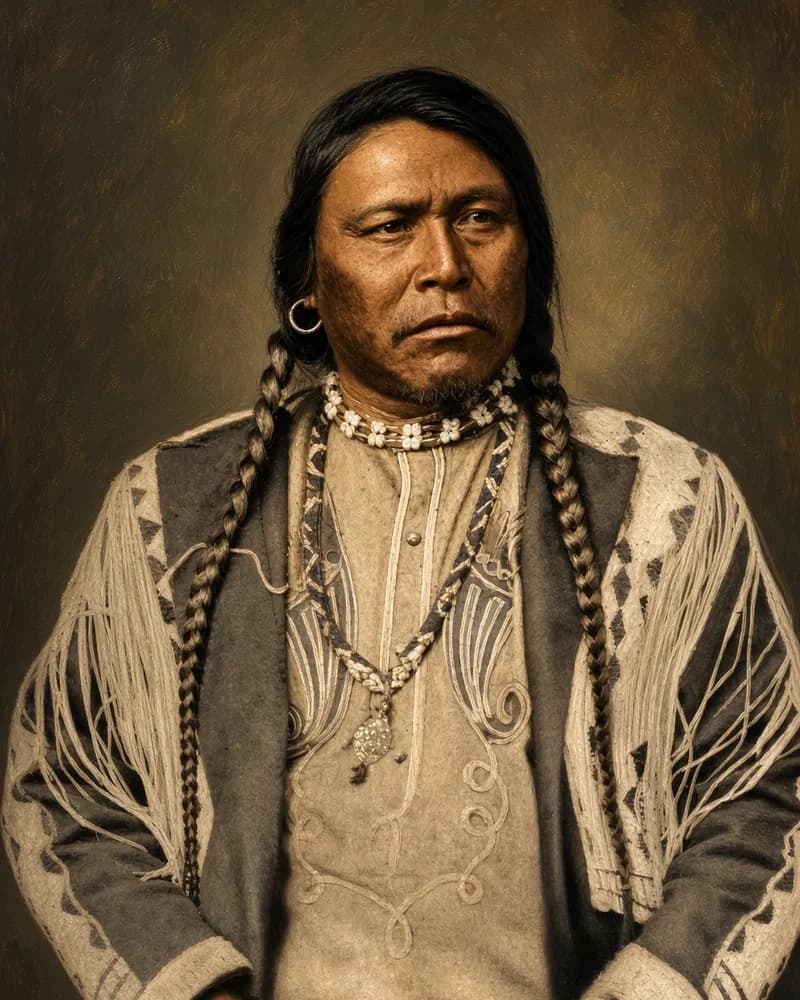 Utah · Colorado RockiesRead full entryUto-Aztecan (Ute)
Ute
Mountain and basin hunters, gatherers and traders whose homeland stretched from the Wasatch Mountains of Utah across the Colorado Rockies. The main Oregon Trail passed north of Ute country, but the Mormon Trail ended at its edge in the Salt Lake Valley, and Mormon settlement led to wars in the 1850s and 1860s.
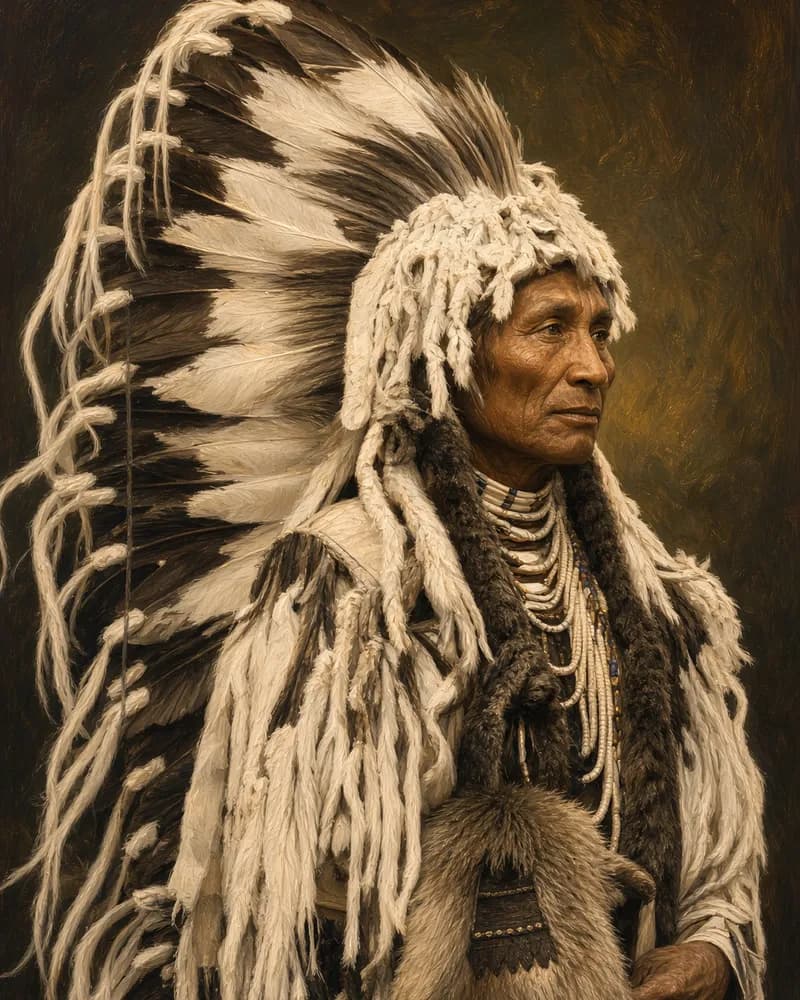 Columbia Plateau · NE OregonRead full entryLanguage isolate (Cayuse)
Cayuse
Horse breeders of the Columbia Plateau whose country lay across the trail between the Blue Mountains and the Walla Walla valley. In 1847 a measles epidemic killed as many as half the Cayuse, many of them children, and the killings at the Whitman Mission and the Cayuse War that followed changed the Pacific Northwest.
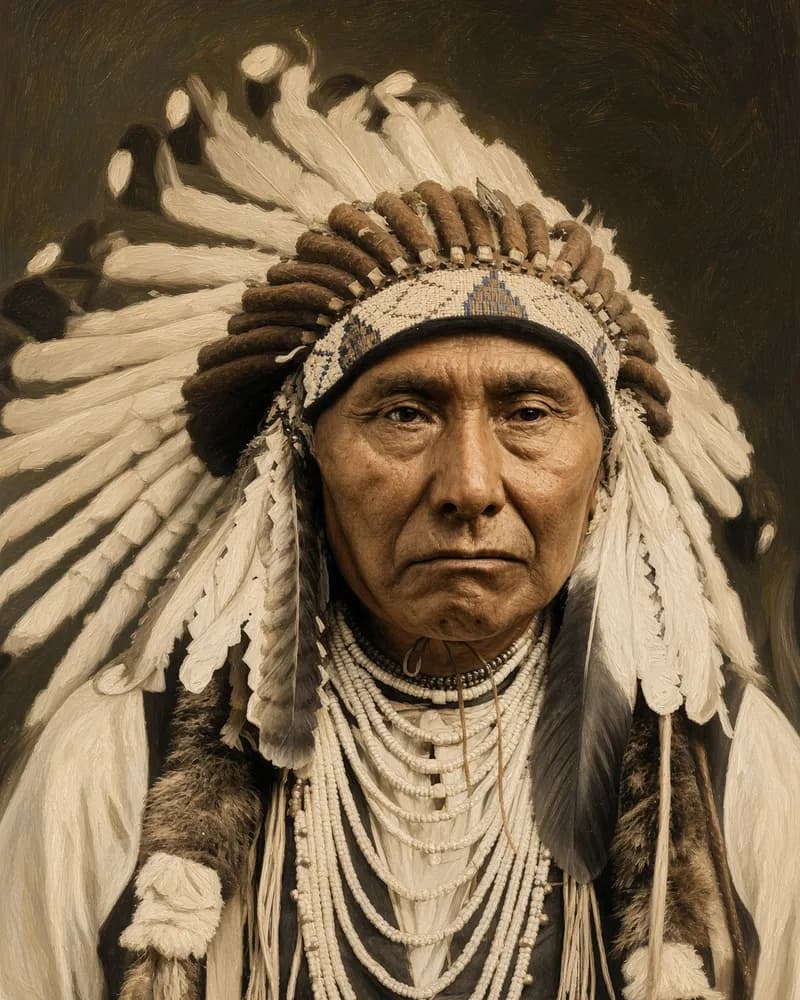 Idaho · Oregon · WashingtonRead full entrySahaptian (Nimipuutímt)
Nez Perce (Nimiipuu)
Salmon fishers, horse breeders and bison hunters whose homeland spread across present-day Idaho, Oregon and Washington. In 1805 and 1806 they fed and sheltered the hungry Lewis and Clark expedition. The Nez Perce stayed friendly to Americans through the trail years, until a gold rush and a treaty forced on them in 1863 led to the war of 1877.
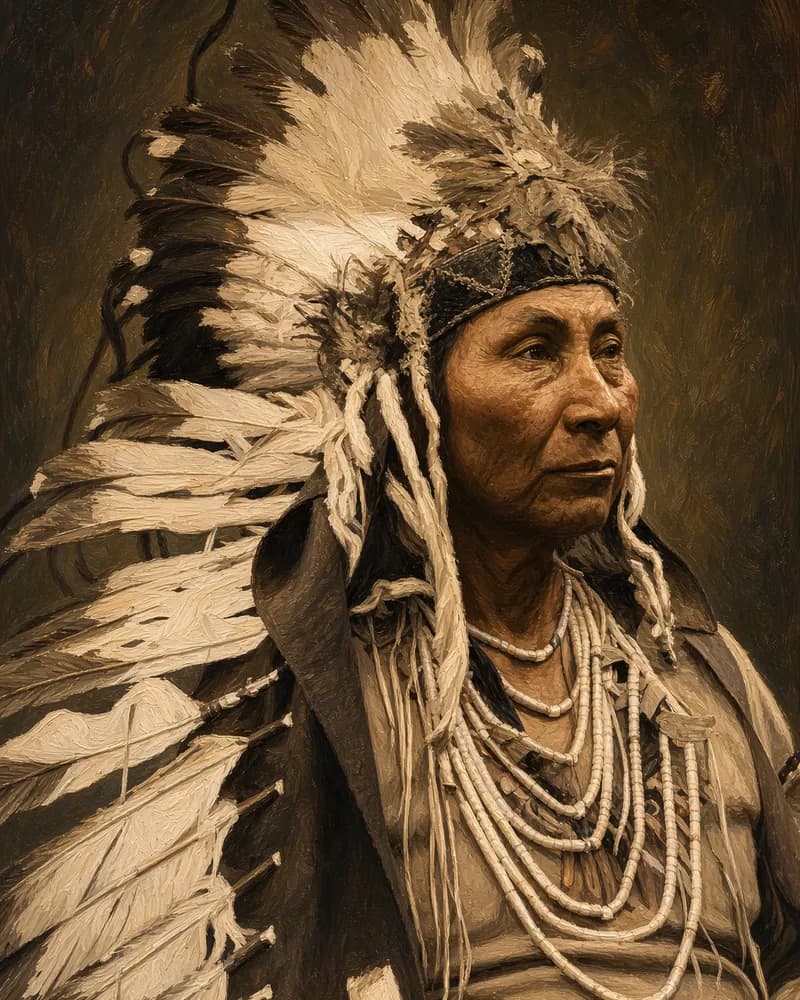 Columbia Plateau · NE OregonRead full entrySahaptian (Sahaptin)
Walla Walla & Umatilla
Neighboring Sahaptin-speaking peoples of the Columbia Plateau who fished the salmon runs, dug roots and kept large herds of horses along the Columbia and its eastern branches. Emigrants on the last stretch toward The Dalles bought food from Walla Walla and Umatilla families. Today they share a reservation and government with the Cayuse.