Notable figures.
People whose names come up again and again in the story of the Oregon Trail: explorers who went before the wagons, mountain men and guides, missionaries, emigrants and their families, the Native leaders whose lands the trail crossed, and the president who settled Oregon's border. Each has a page about what they did, why it mattered and how their life ended.
- biographies
- 47
- William Clark, the earliest born
- 1770
- Ezra Meeker, the last of them to die
- 1928
- trail places connected to them
- 20
47 people
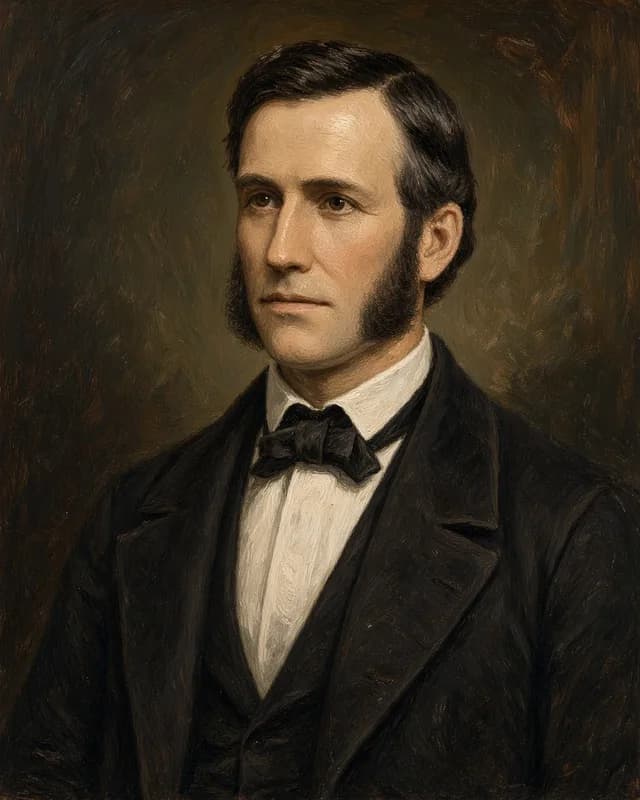 1802-1847Read biographyMissionary and doctor
Marcus Whitman
Helped guide the 1843 wagon train west of Fort Hall and made his mission a resting place for emigrants in Cayuse country.
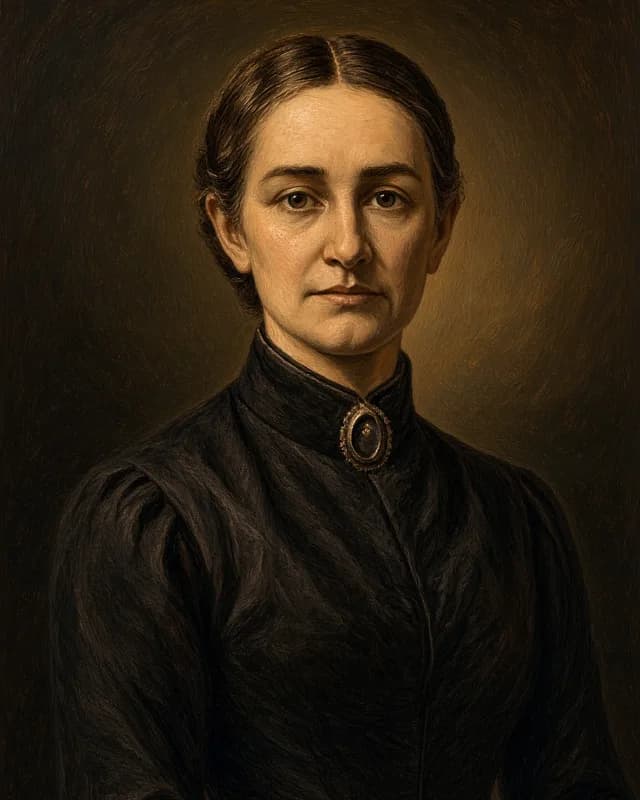 1808-1847Read biographyMissionary and diarist
Narcissa Whitman
One of the first two white women to cross the continent overland, which showed families that women could make the trip.
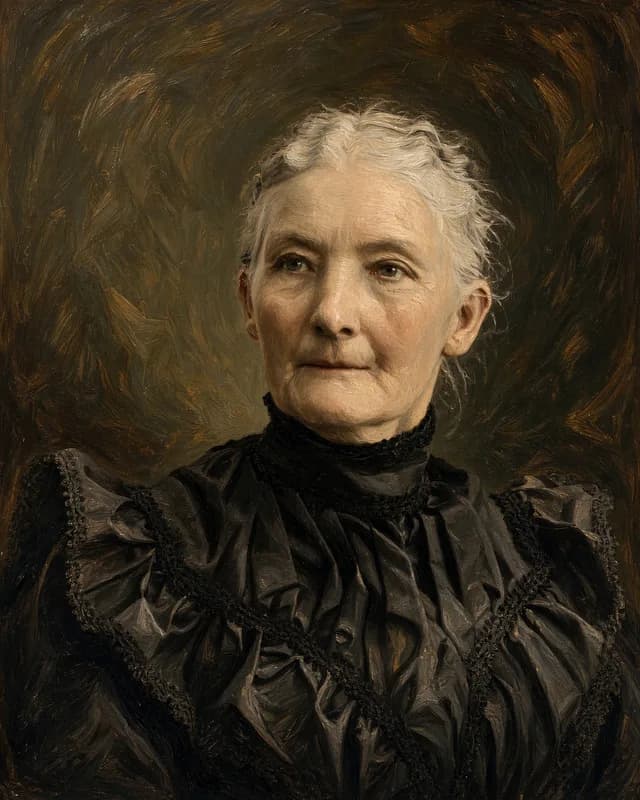 1807-1851Read biographyMissionary teacher
Eliza Hart Spalding
Learned the Nez Perce language, made picture lessons from the Bible by hand, and taught at the Lapwai mission from 1837 to 1847.
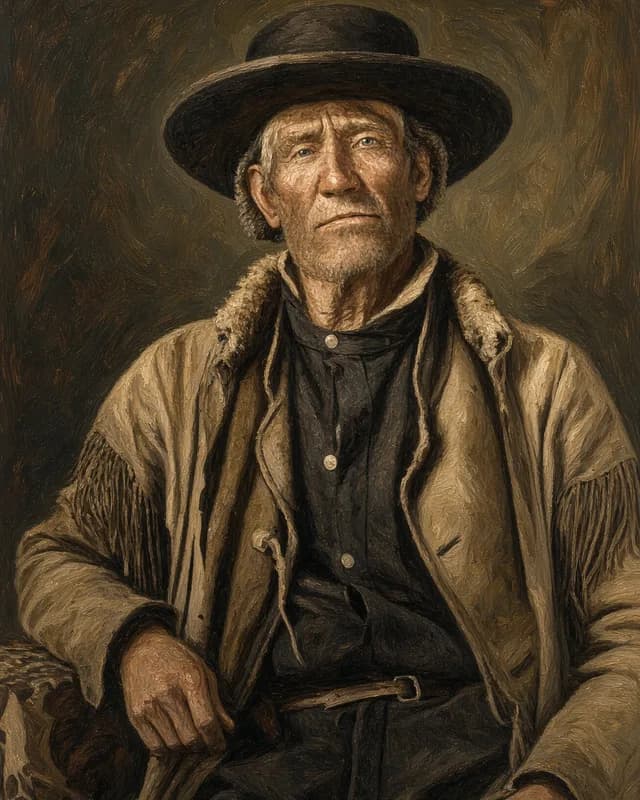 1804-1881Read biographyMountain man and guide
Jim Bridger
Built the trading post that supplied and repaired emigrant wagons in the mountains, and later guided Army expeditions.
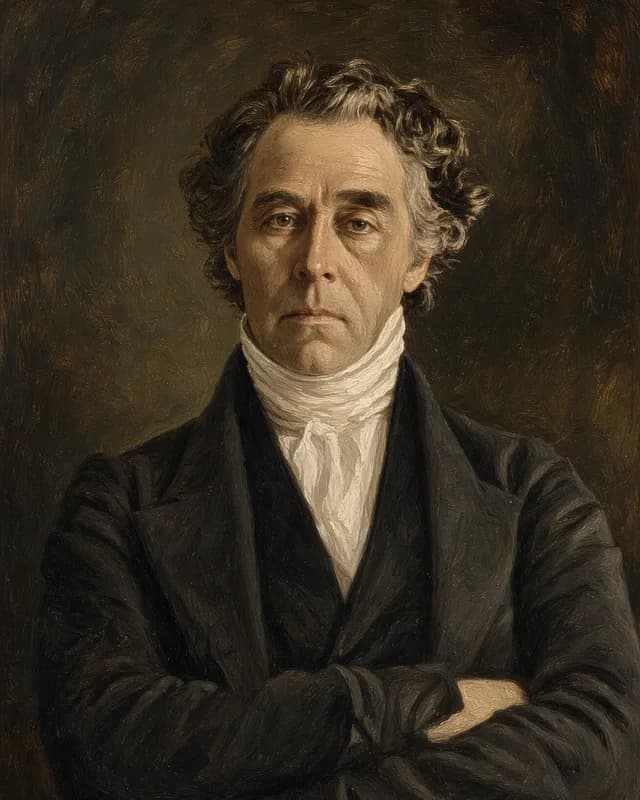 1785-1848Read biographyFur trader and explorer
Robert Stuart
Led the small party that crossed the Rockies at South Pass in 1812, on the route the Oregon Trail later followed.
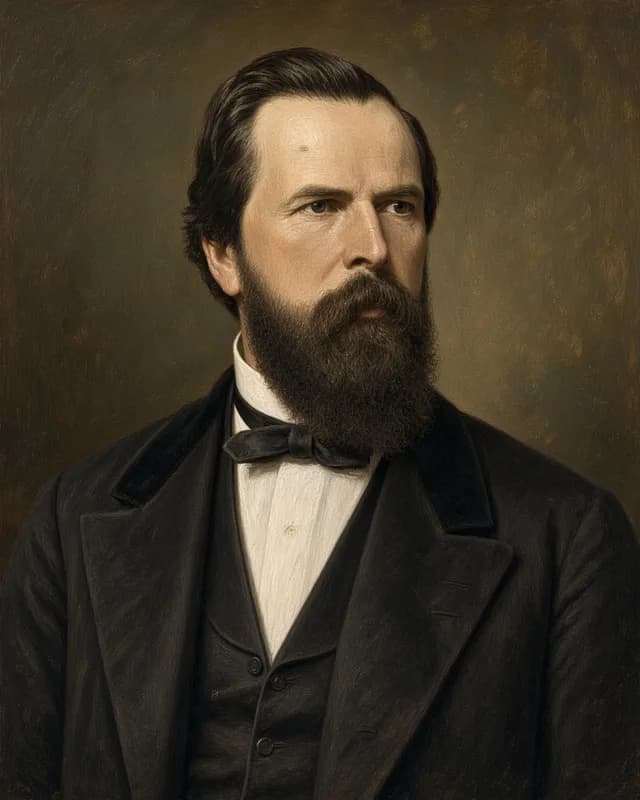 1819-1900Read biographyPioneer and politician
John Bidwell
Helped lead the first emigrant company from Missouri to California in 1841, the first year of the wagon emigration.
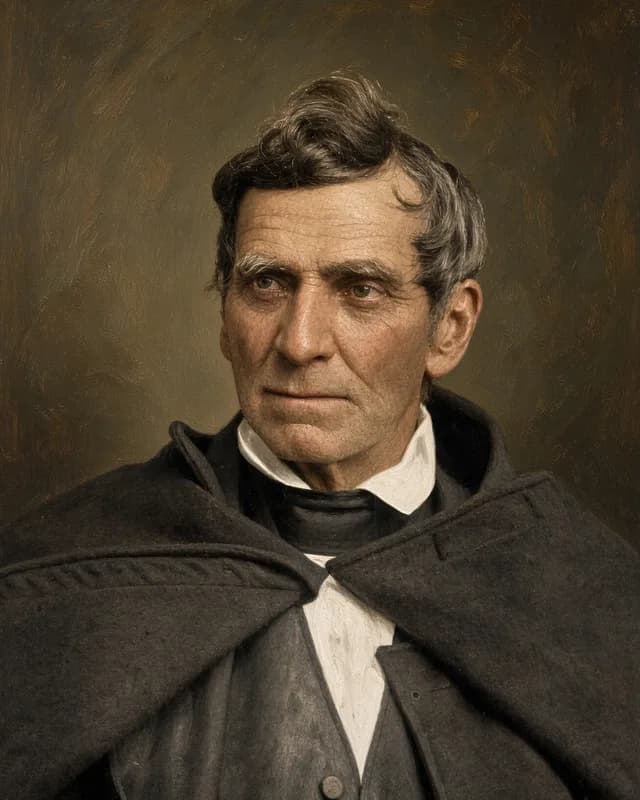 1811-1888Read biographyWagon captain and writer
Jesse Applegate
Captained the 'cow column' of 1843, wrote its best-known account, and laid out a southern wagon road into Oregon in 1846.
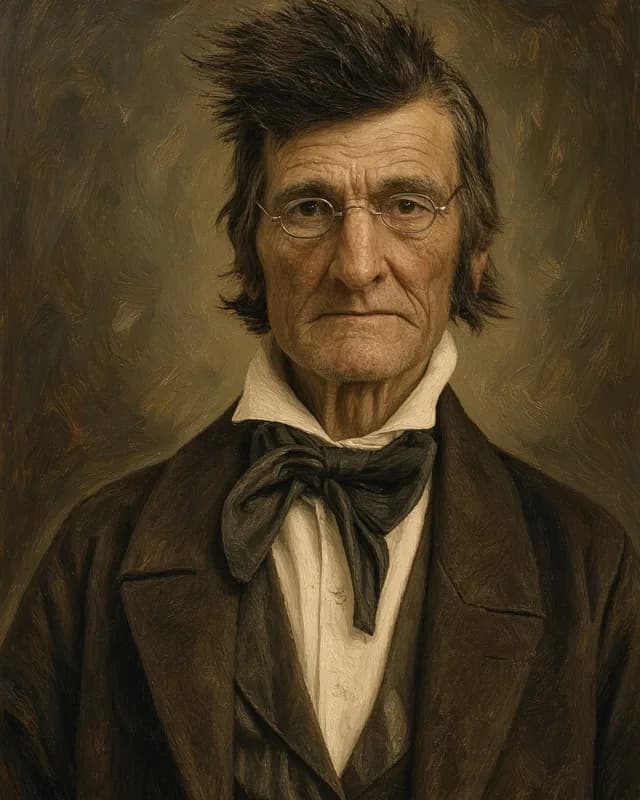 c. 1795-1867Read biographyRoad builder
Sam Barlow
Opened a wagon road around Mount Hood, so emigrants could finish the trail by land instead of rafting down the Columbia.
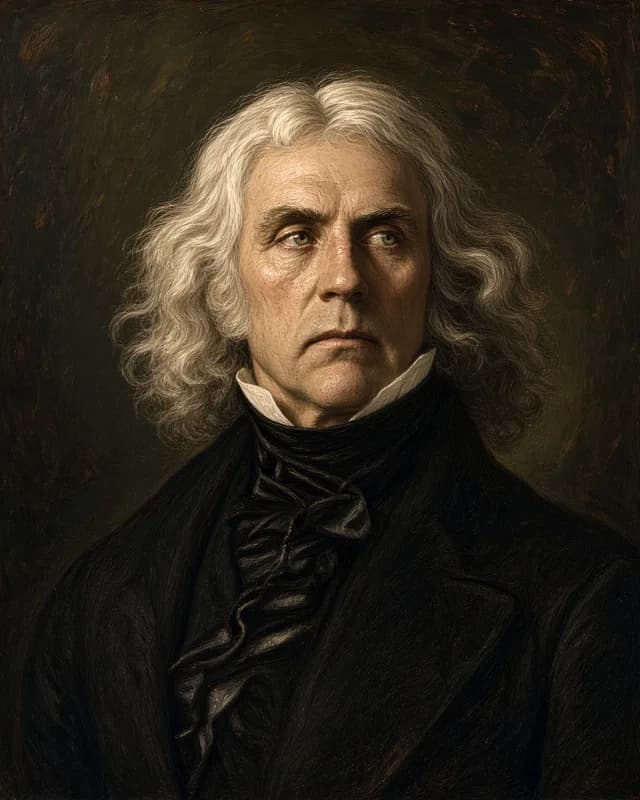 1784-1857Read biographyFur-trade chief factor
John McLoughlin
Gave food, seed and credit to worn-out American families arriving in Oregon, against the wishes of his British company.
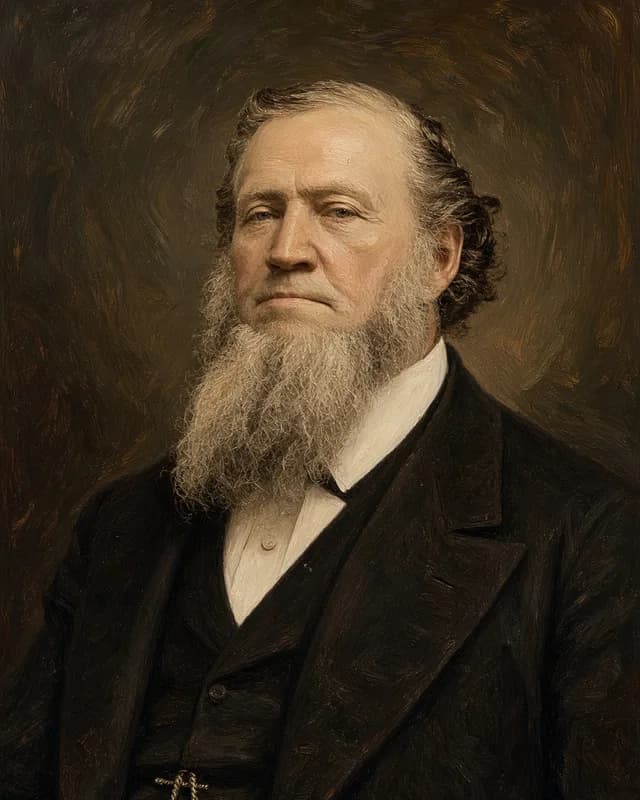 1801-1877Read biographyChurch leader and governor
Brigham Young
Led the 1847 Mormon migration to the Salt Lake Valley, and his church's ferries on the North Platte and Green served later emigrants.
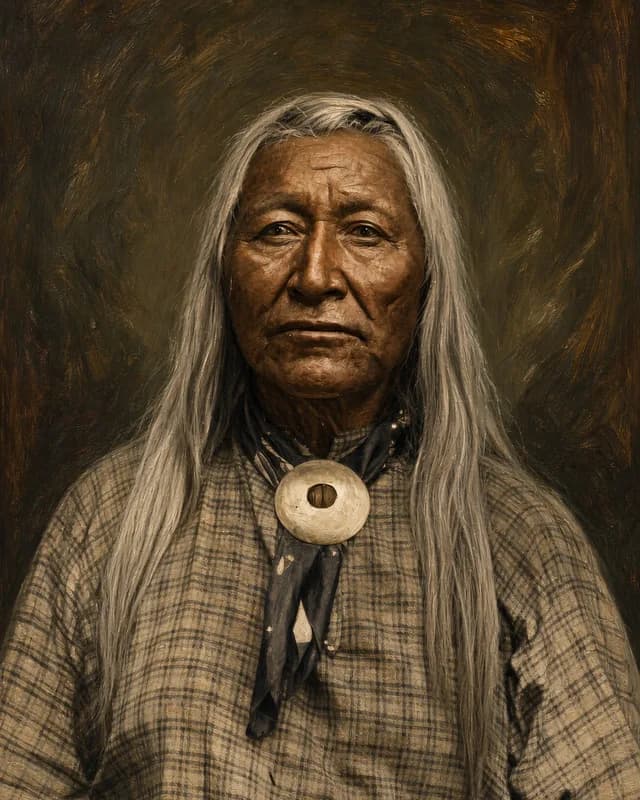 c. 1804-1900Read biographyLeader and diplomat
Chief Washakie
Kept the Eastern Shoshone at peace with the United States and won them a permanent homeland in the Wind River country.
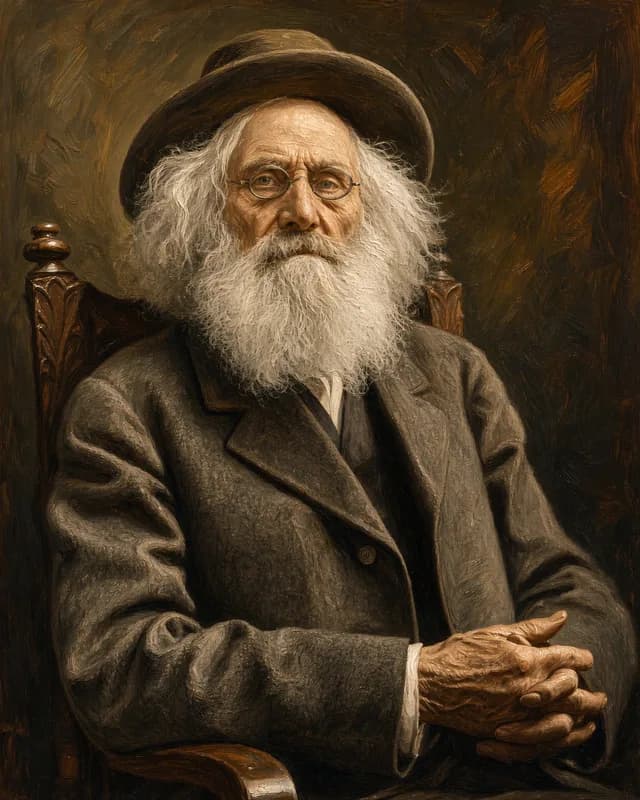 1830-1928Read biographyPioneer and preservationist
Ezra Meeker
Retraced the trail by ox team from 1906 to 1908 and campaigned to get it marked, remembered and preserved.
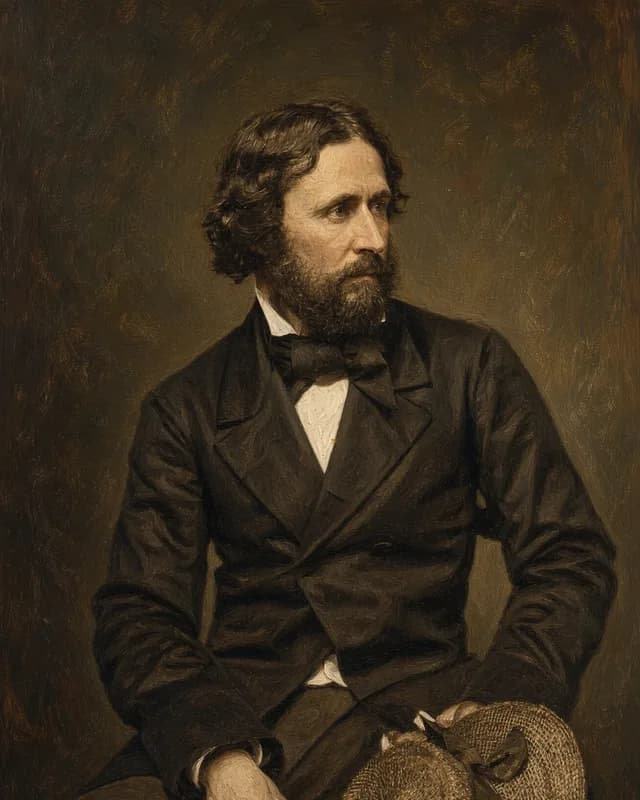 1813-1890Read biographyExplorer and politician
John C. Frémont
Mapped the road over South Pass in 1842 and published reports and trail maps that many emigrants used.
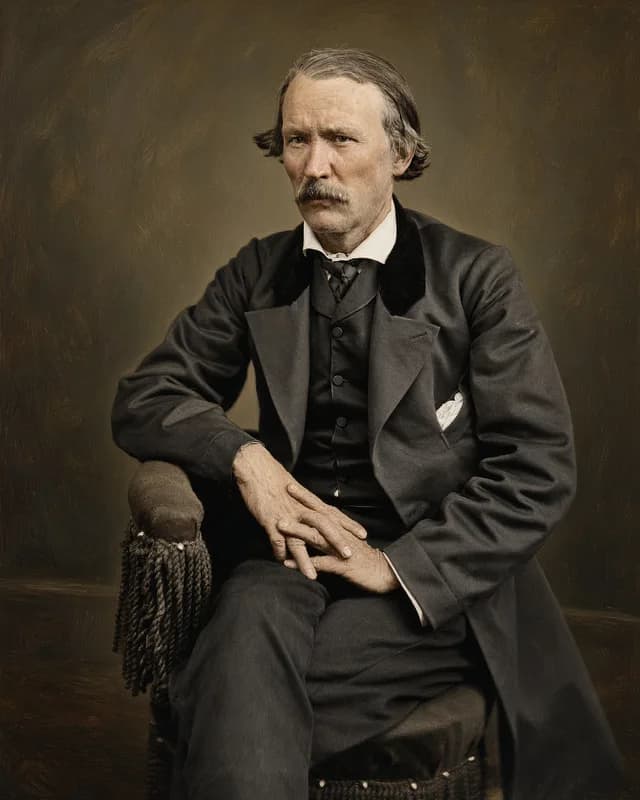 1809-1868Read biographyMountain man and scout
Kit Carson
Guided the Army's mapping expeditions over the trail in the 1840s, and their published reports made him famous nationwide.
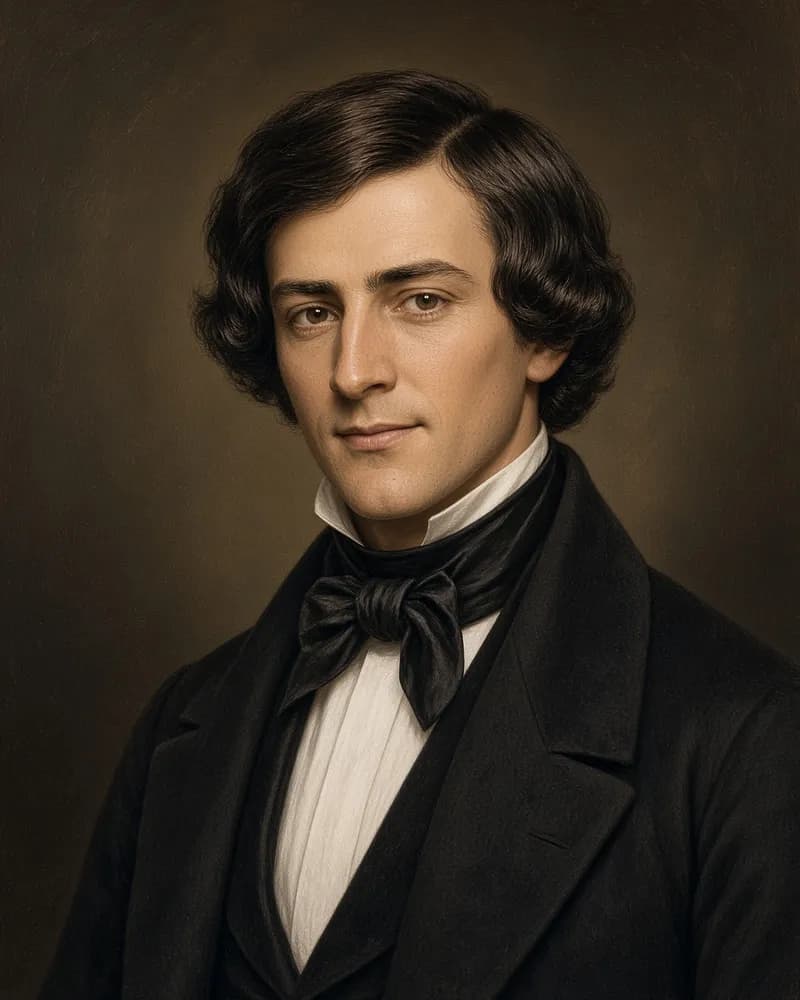 1799-1831Read biographyTrapper and explorer
Jedediah Smith
Led the trappers who found South Pass again in 1824 and made it known as the easy way over the Rockies.
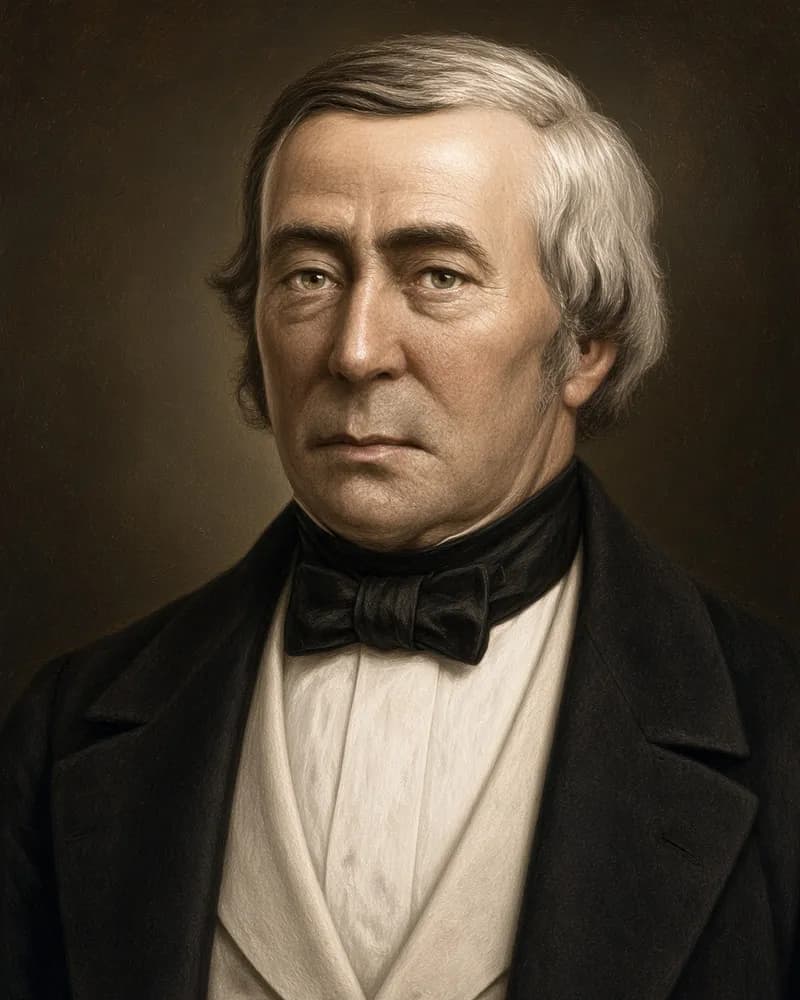 c. 1799-1854Read biographyGuide and Indian agent
Thomas Fitzpatrick
Guided the missionaries of 1836 and the first emigrant wagons of 1841, then proposed the great 1851 council meant to keep the trail at peace.
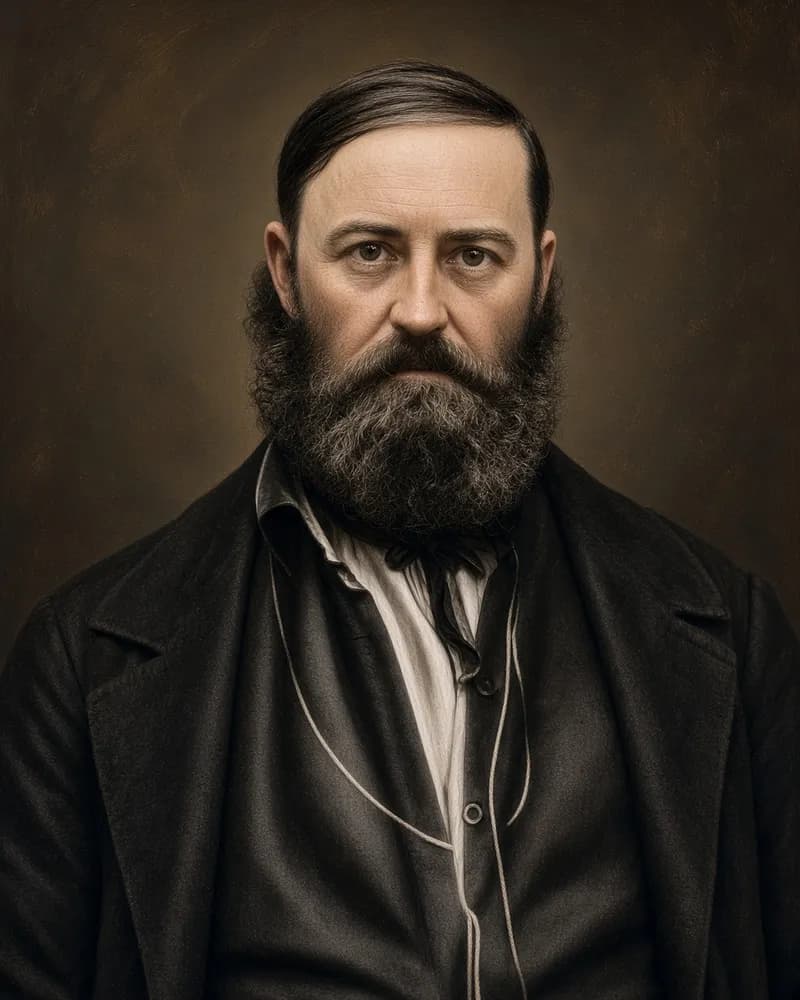 1810-1875Read biographyMountain man and lawman
Joe Meek
Carried Oregon's plea for help to Washington, D.C., after the mission killings of 1847 and helped win it territorial status in 1848.
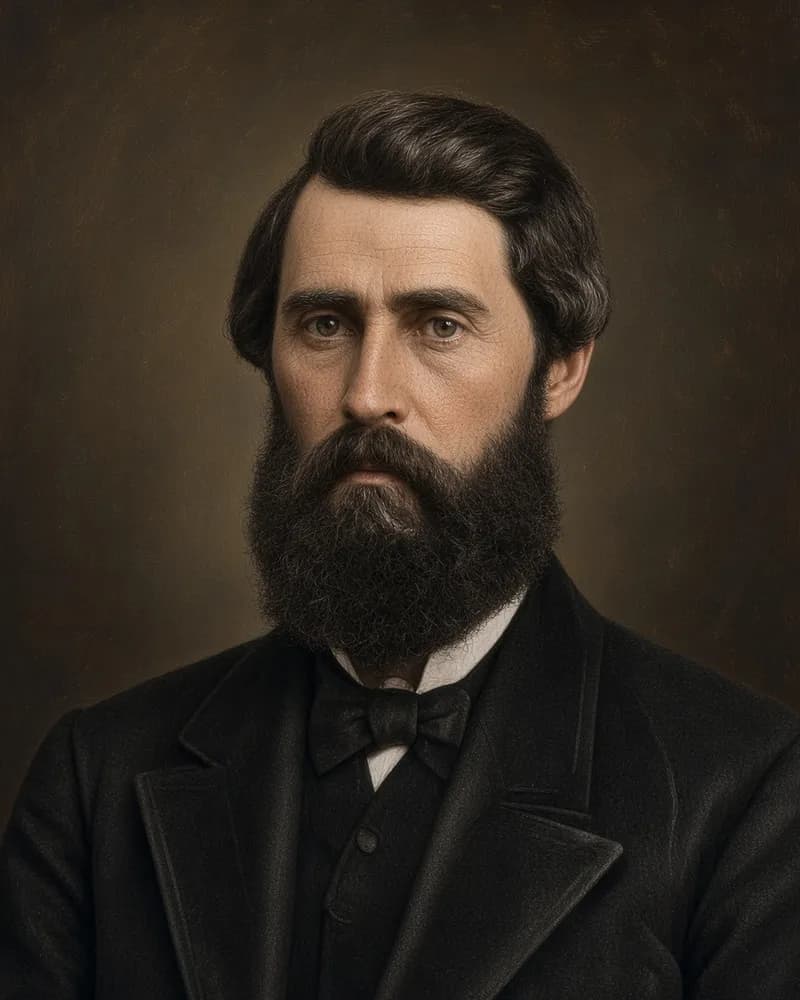 1803-1845Read biographyMethodist missionary
Jason Lee
Founded the first American mission in the Willamette Valley and spread word of Oregon across the East.
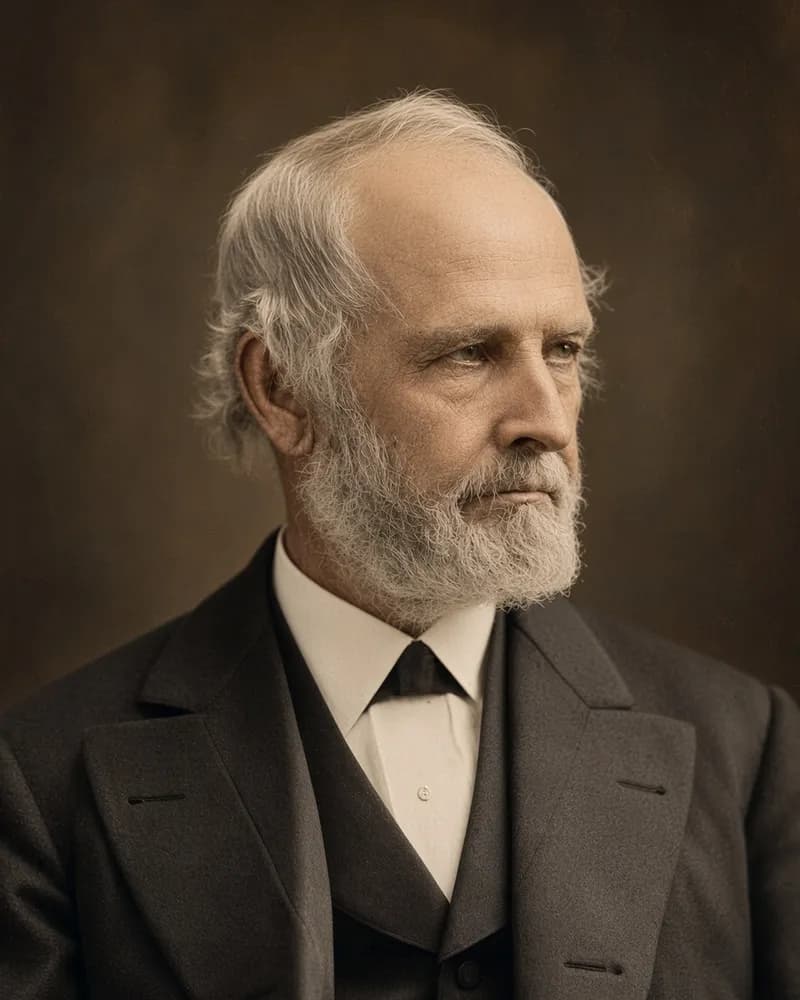 1807-1895Read biographyWagon captain and governor
Peter Burnett
Captained the great emigration of 1843 for its first week and later wrote a detailed memoir of the journey.
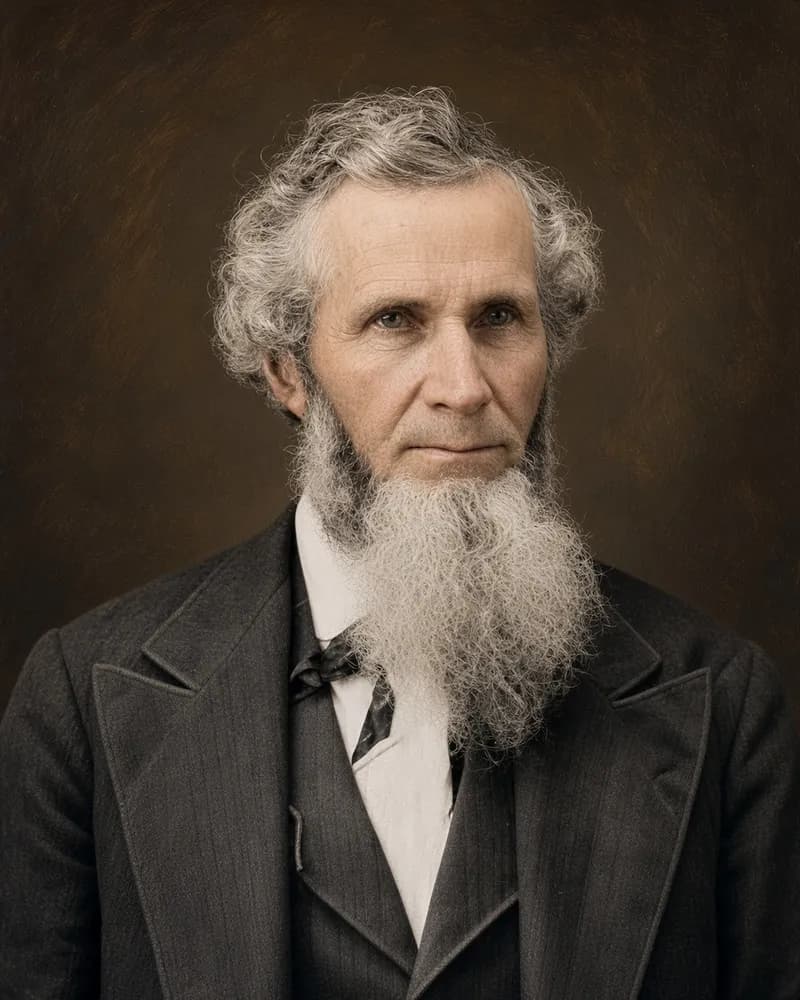 1810-1881Read biographyGuidebook writer and Indian superintendent
Joel Palmer
Helped scout the wagon road around Mount Hood and wrote a popular guidebook for the emigrants who came after him.
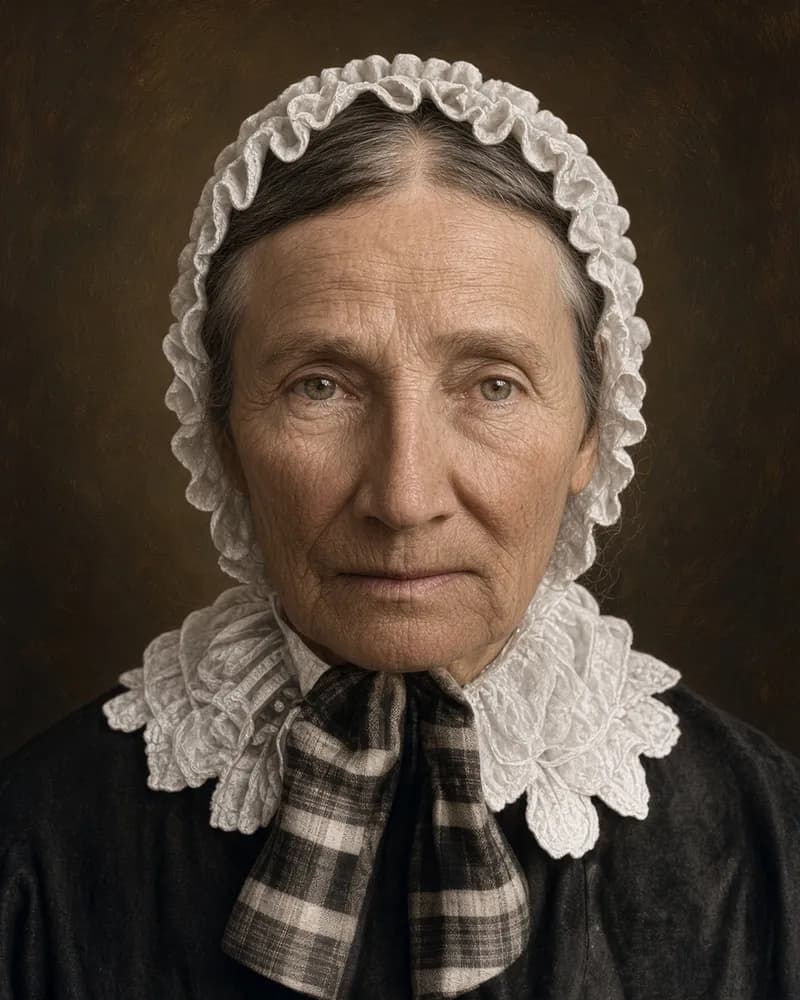 1780-1858Read biographyPioneer and school founder
Tabitha Brown
Started the school for orphans and pioneer children that grew into Tualatin Academy and Pacific University.
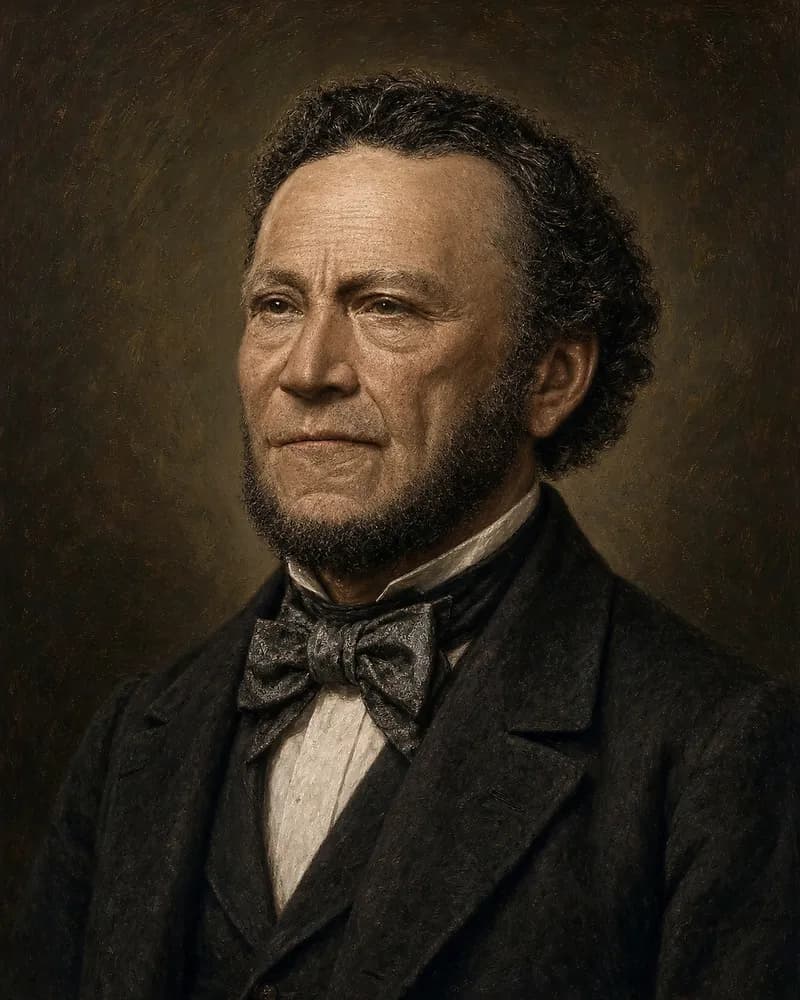 c. 1790-1863Read biographyPioneer farmer
George Washington Bush
Helped lead the first American families to settle on Puget Sound after Oregon's exclusion law barred him from the Willamette Valley.
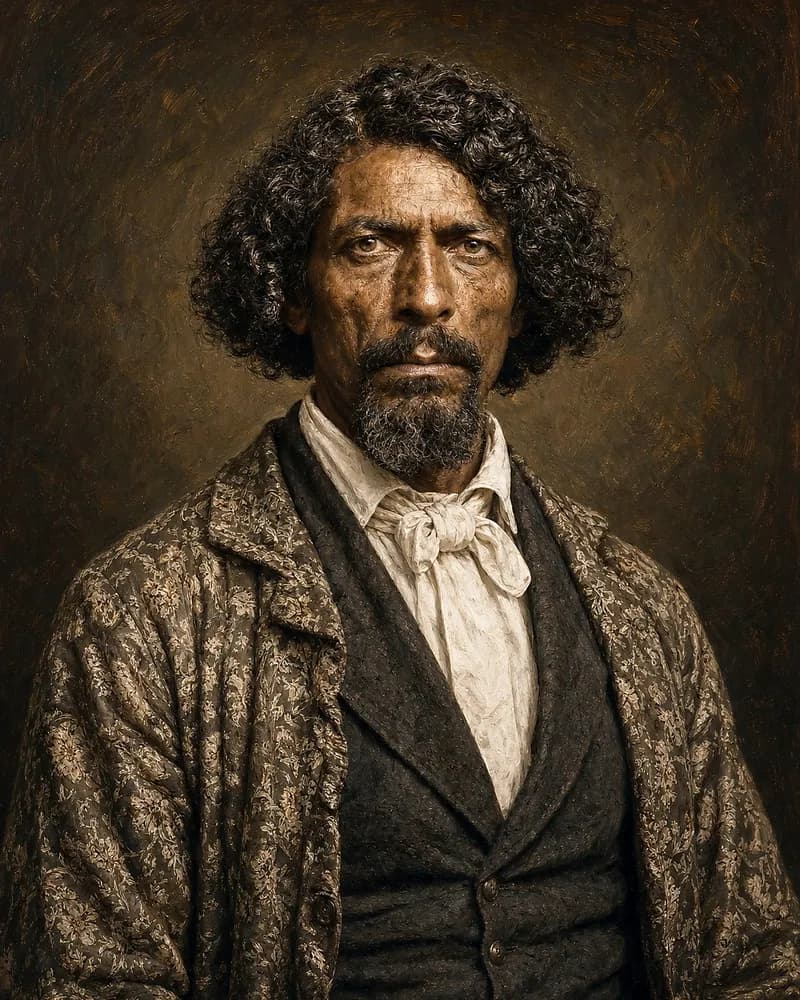 1798-1866Read biographyMountain man and trail finder
James Beckwourth
Found the lowest pass over the Sierra Nevada and guided emigrant wagons across it into California.
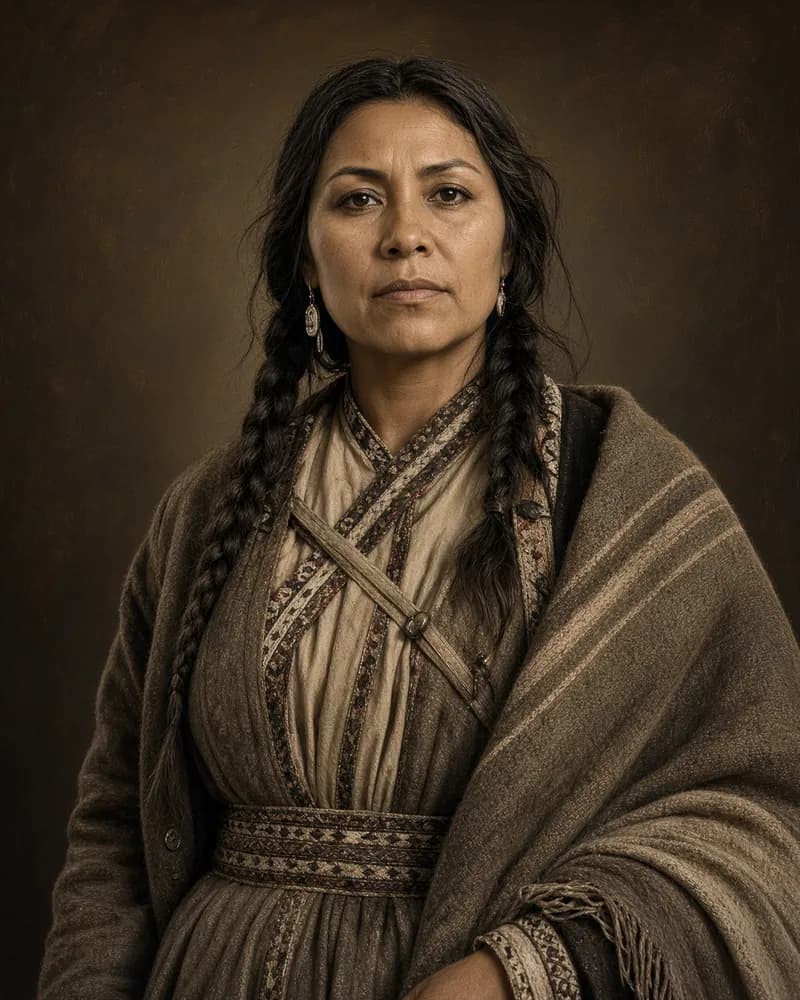 c. 1790-1850Read biographyExpedition member and survivor
Marie Dorion
Crossed much of the country the Oregon Trail later followed, with two small children, decades before the first wagons.
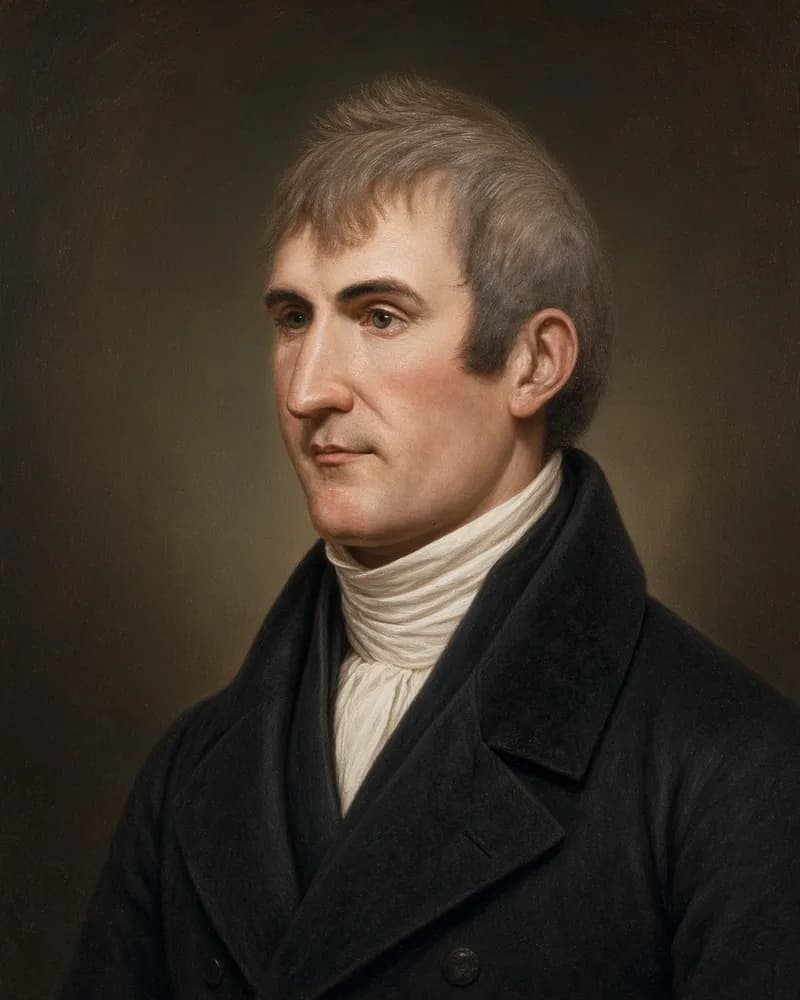 1774-1809Read biographyExplorer, co-leader of the Corps of Discovery
Meriwether Lewis
Co-led the expedition whose journals and maps first showed Americans the Oregon Country, the land at the far end of the trail.
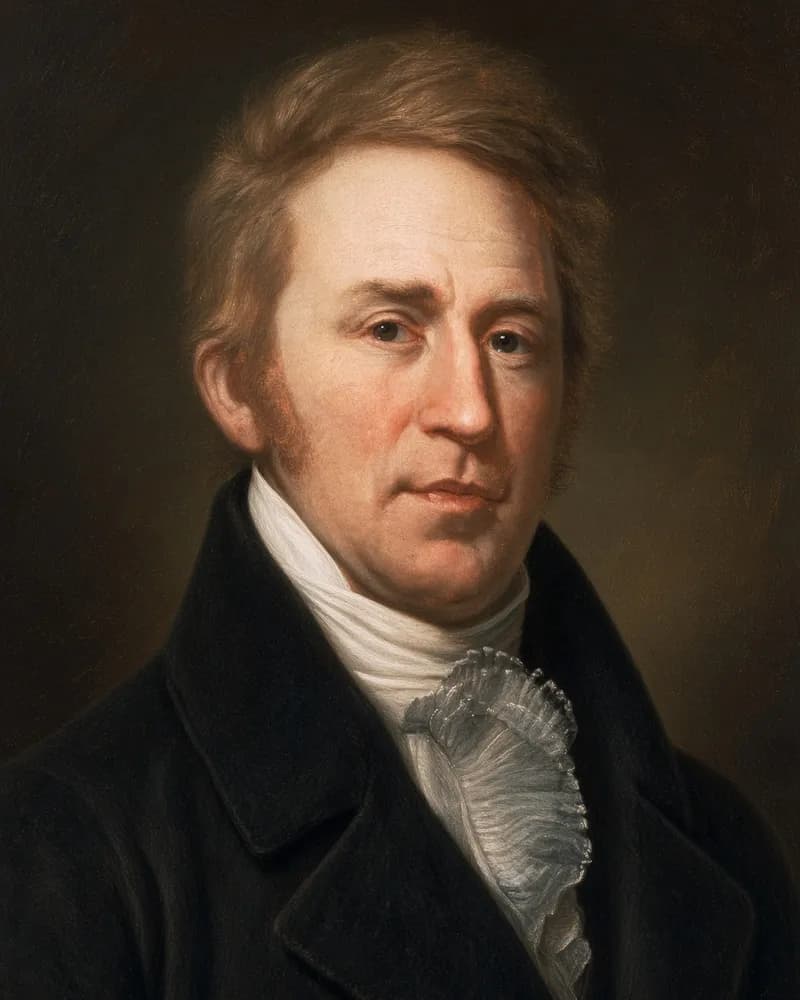 1770-1838Read biographyExplorer and mapmaker, co-leader of the Corps of Discovery
William Clark
Drew the expedition maps that first showed Americans the rivers of the Oregon Country, and in St. Louis received the 1831 visitors whose story sent the first missionaries west.
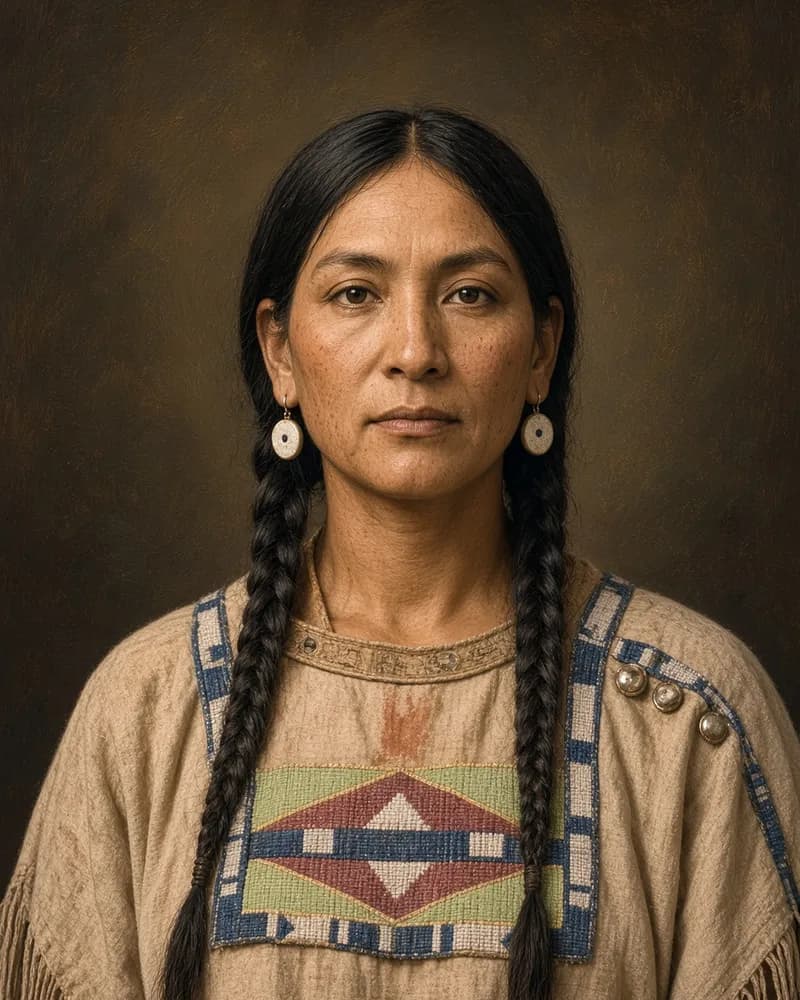 c. 1788-1812Read biographyShoshone interpreter with the Corps of Discovery
Sacagawea
Went with the Corps of Discovery to the mouth of the Columbia and helped it get horses from her Shoshone people to reach the Oregon Country.
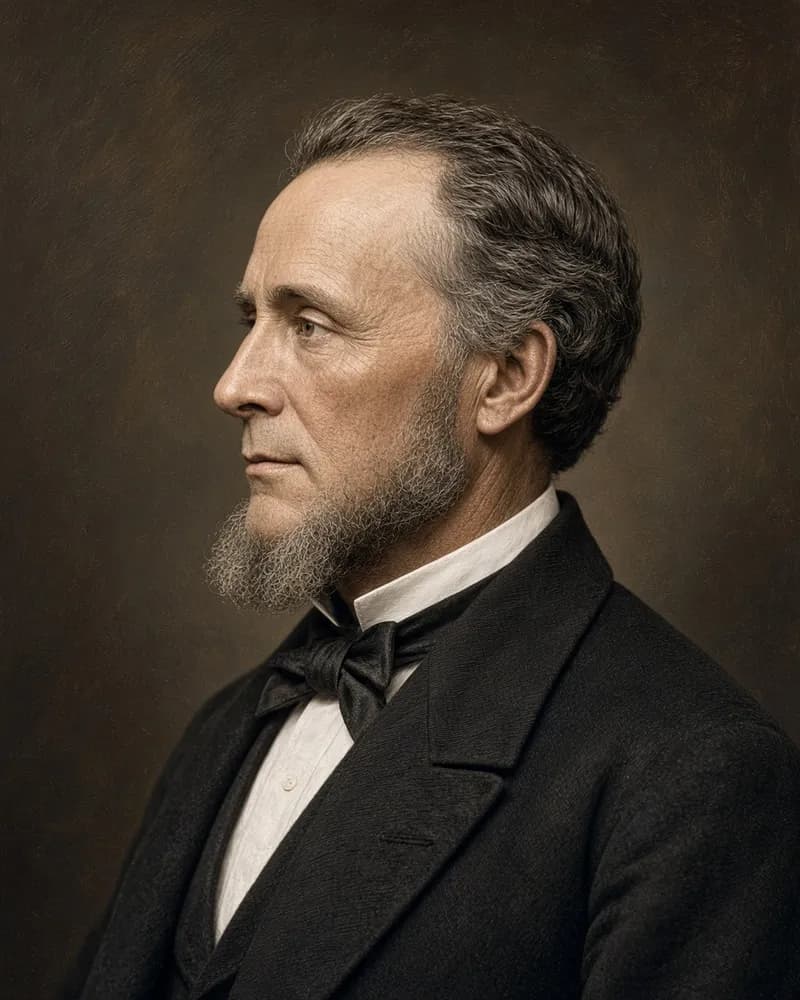 1802-1856Read biographyTrader who built Fort Hall
Nathaniel Wyeth
Built Fort Hall in 1834, later a key supply stop for the wagon trains, and brought the first Protestant missionaries to Oregon with his trading party.
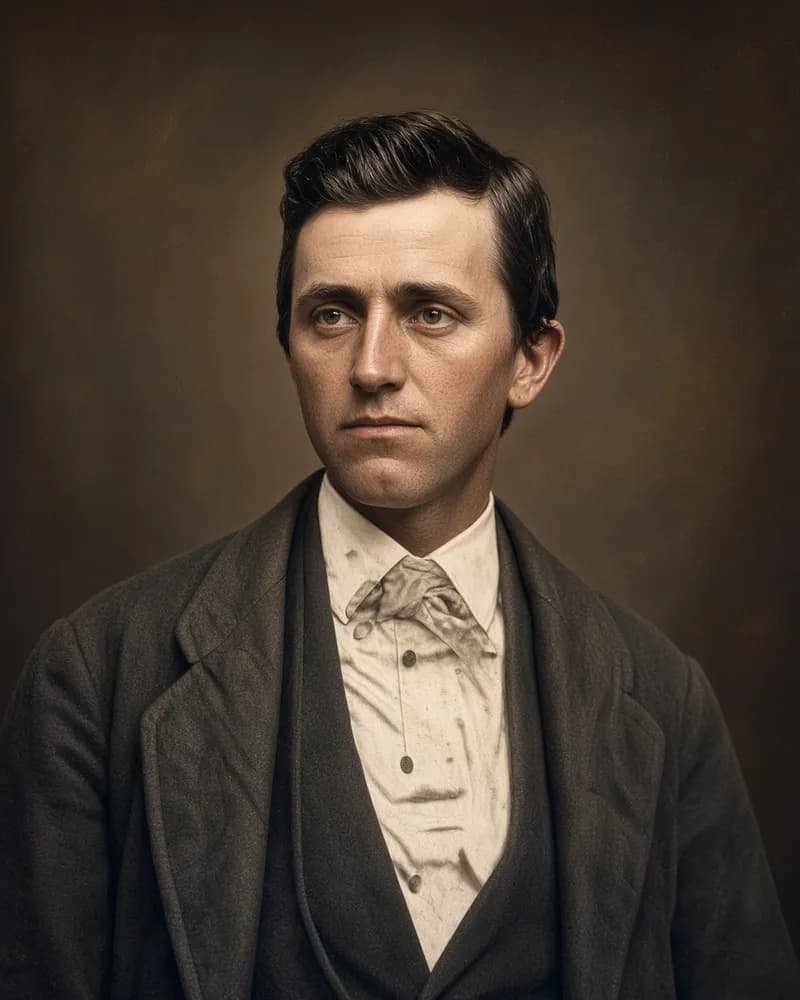 c. 1799-1845Read biographyFur trader and caravan leader
William Sublette
Led the first wagons up the Platte River road to the Rocky Mountains in 1830 and founded the trading post that became Fort Laramie.
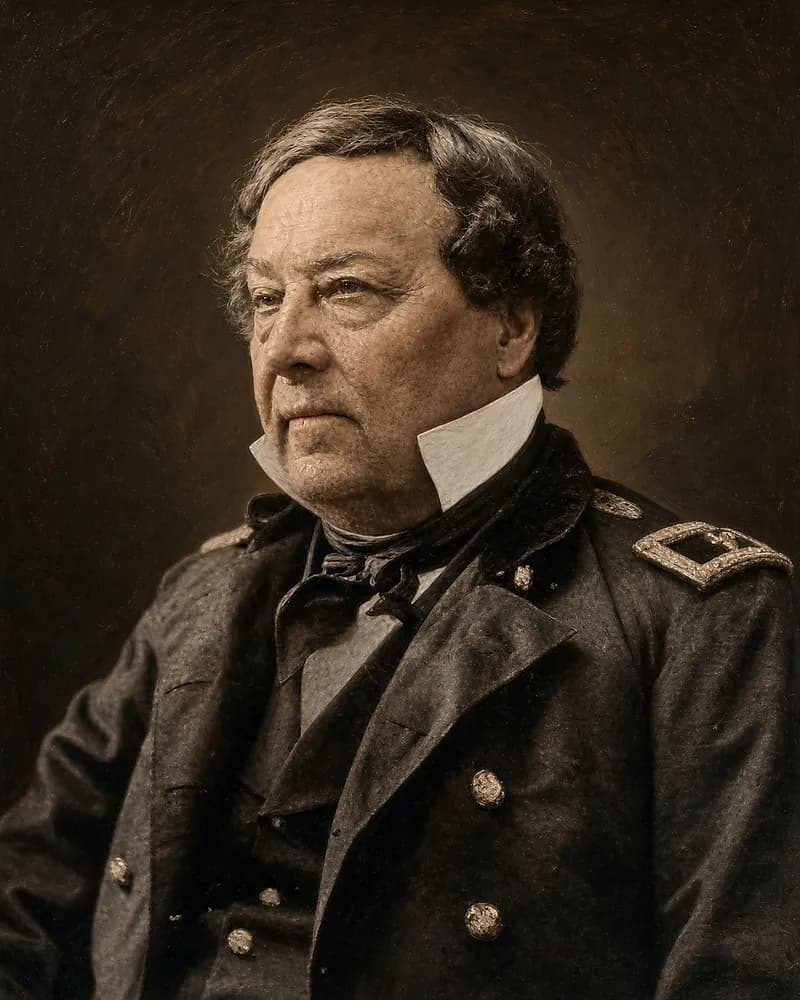 1796-1878Read biographyArmy officer and explorer
Benjamin Bonneville
Took the first wagons over South Pass in 1832, showing that wagons could cross the Rockies by the gap the Oregon Trail later used.
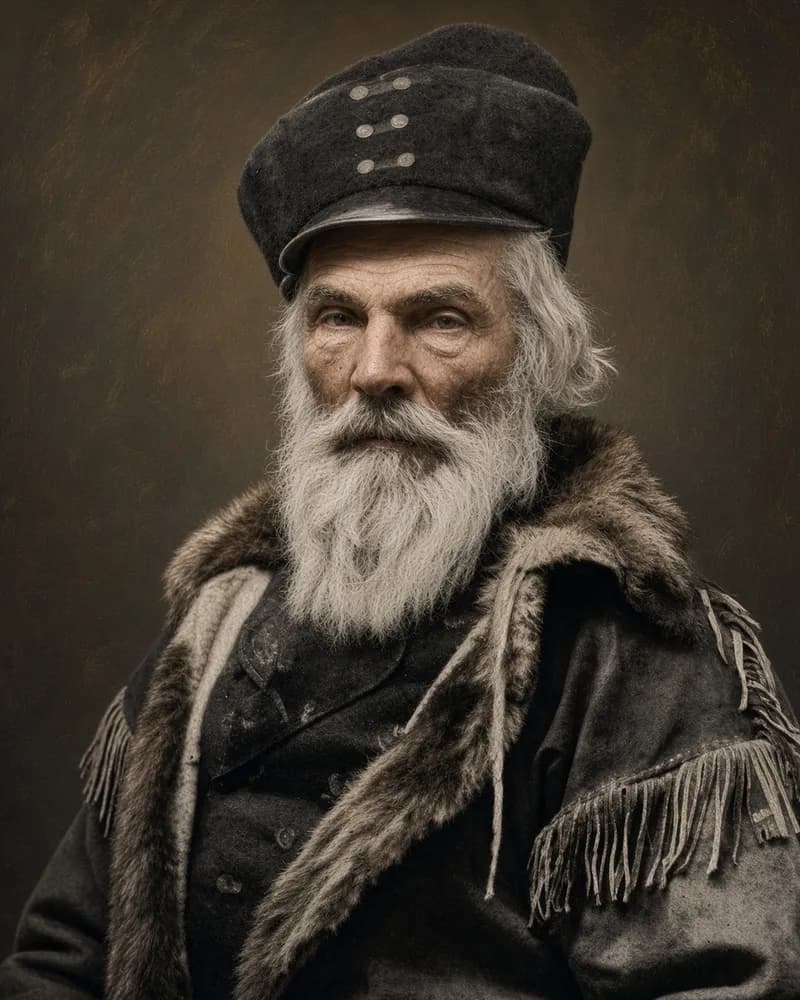 1798-1876Read biographyMountain man and guide
Joseph Walker
Opened much of the route along the Humboldt River that California-bound emigrants later followed, and guided some of the earliest emigrant wagons toward California.
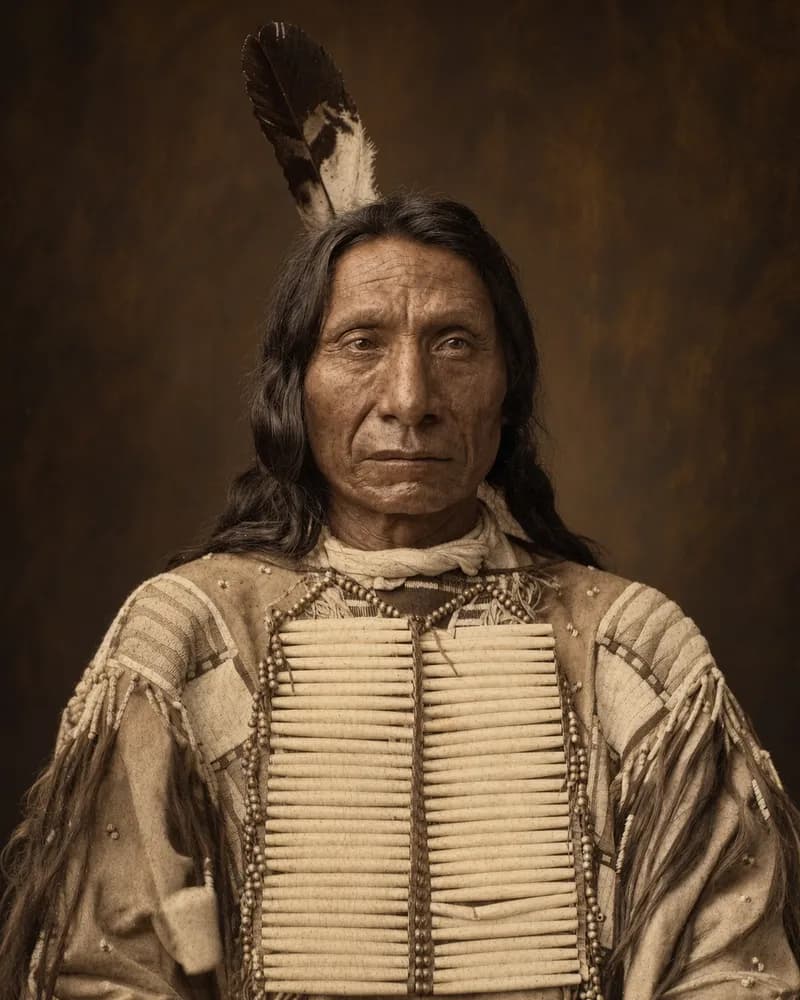 c. 1822-1909Read biographyOglala Lakota leader
Red Cloud
Led the Lakota war that forced the Army to abandon its forts on the Bozeman Trail, a branch road that left the Oregon Trail, in 1868.
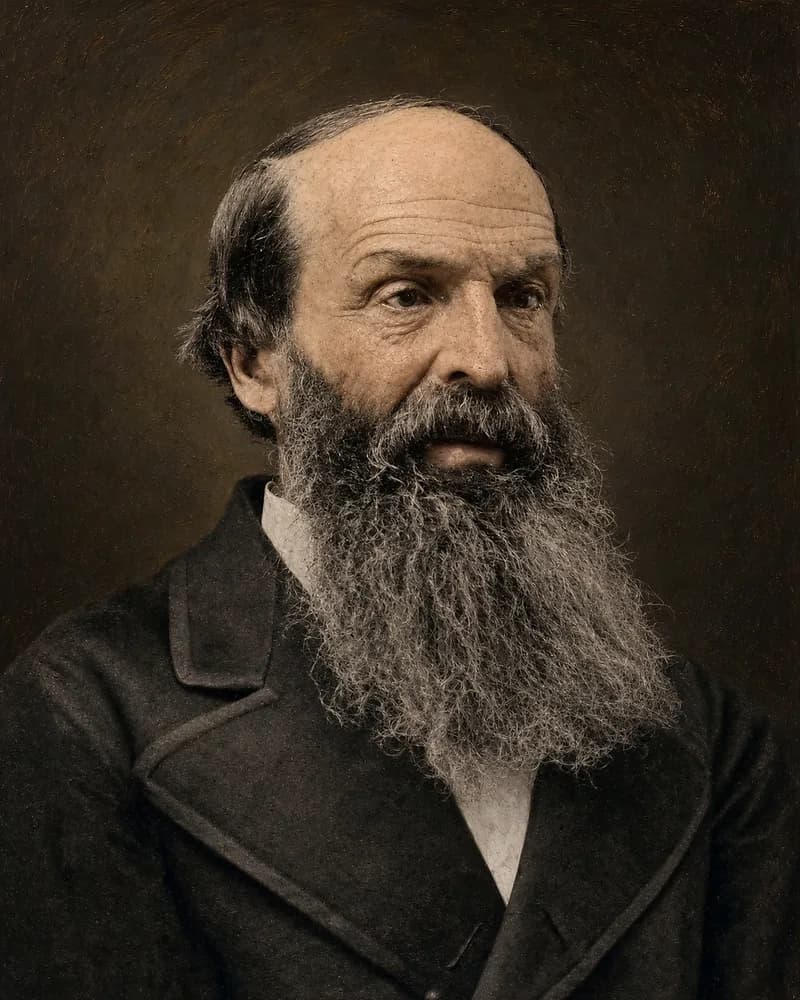 1803-1874Read biographyMissionary to the Nez Perce
Henry Spalding
The 1836 crossing he made with his wife and the Whitmans showed that women could travel overland to Oregon, five years before the first emigrant wagon companies.
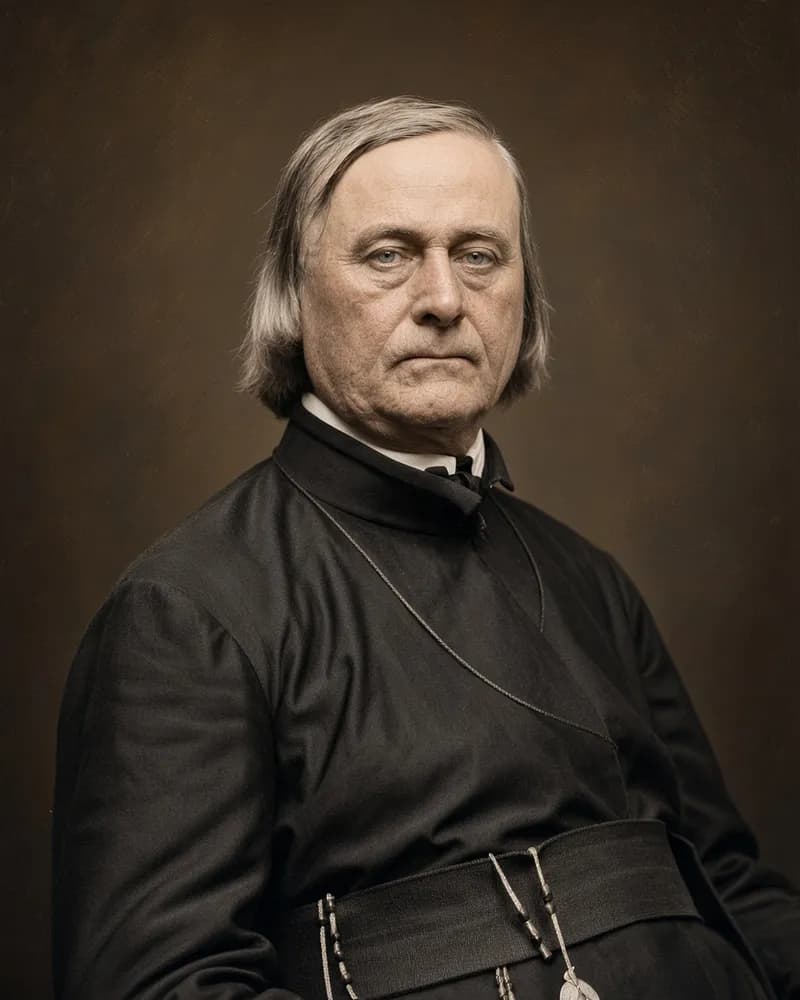 1801-1873Read biographyJesuit missionary
Pierre-Jean De Smet
He traveled with the first emigrant wagon company of 1841 and gave Independence Rock its nickname, the great register of the desert.
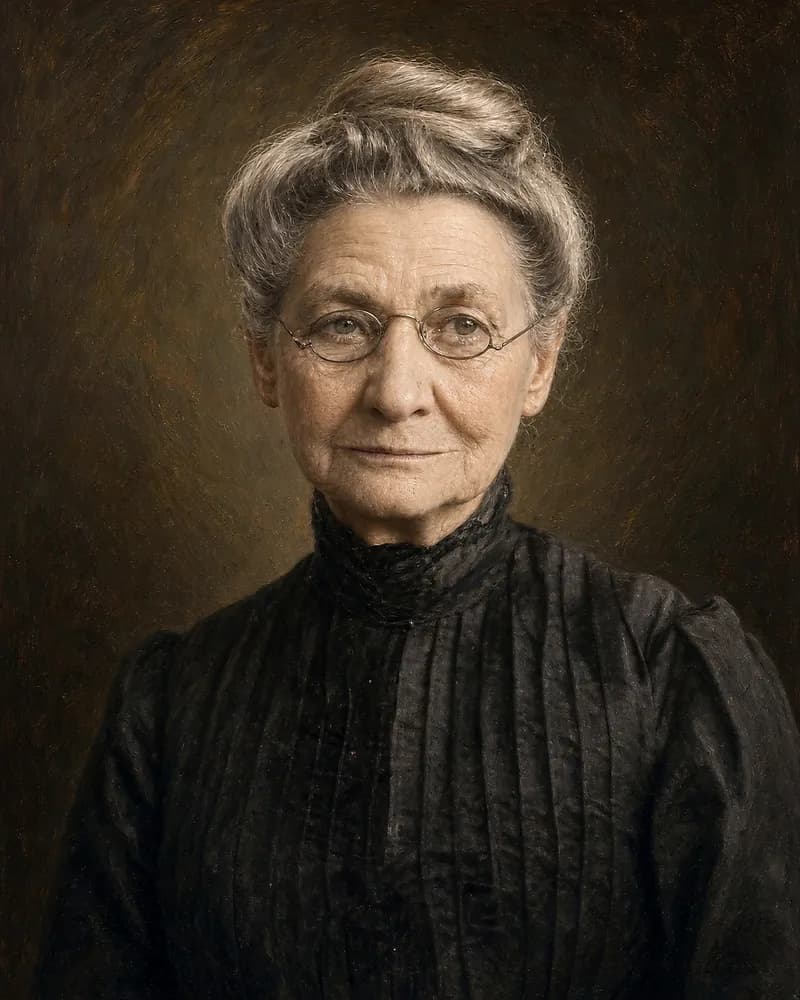 1835-1910Read biographyOrphan of the 1844 trail and memoir writer
Catherine Sager
Her memoir is the main firsthand account of the Sager family's crossing and of daily life at the Whitman mission, written by a girl who lived through both.
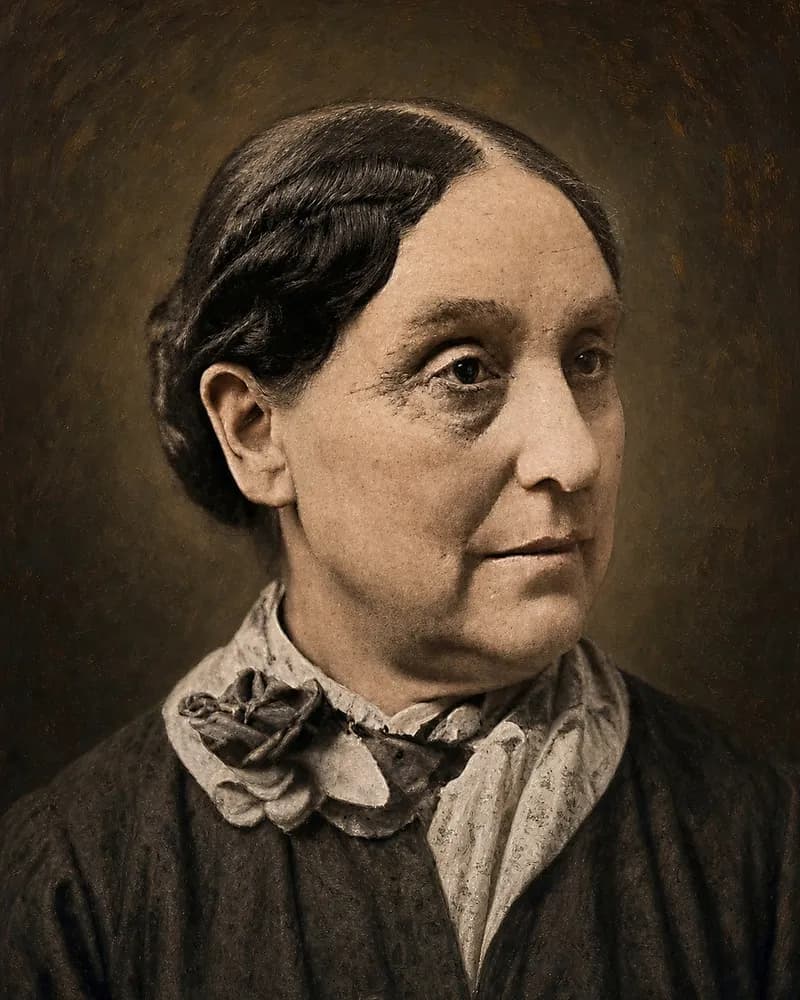 1834-1915Read biographyTrail diarist and suffrage leader
Abigail Scott Duniway
She kept her family's 1852 trail journal and turned the crossing into Captain Gray's Company, the first novel commercially published in Oregon.
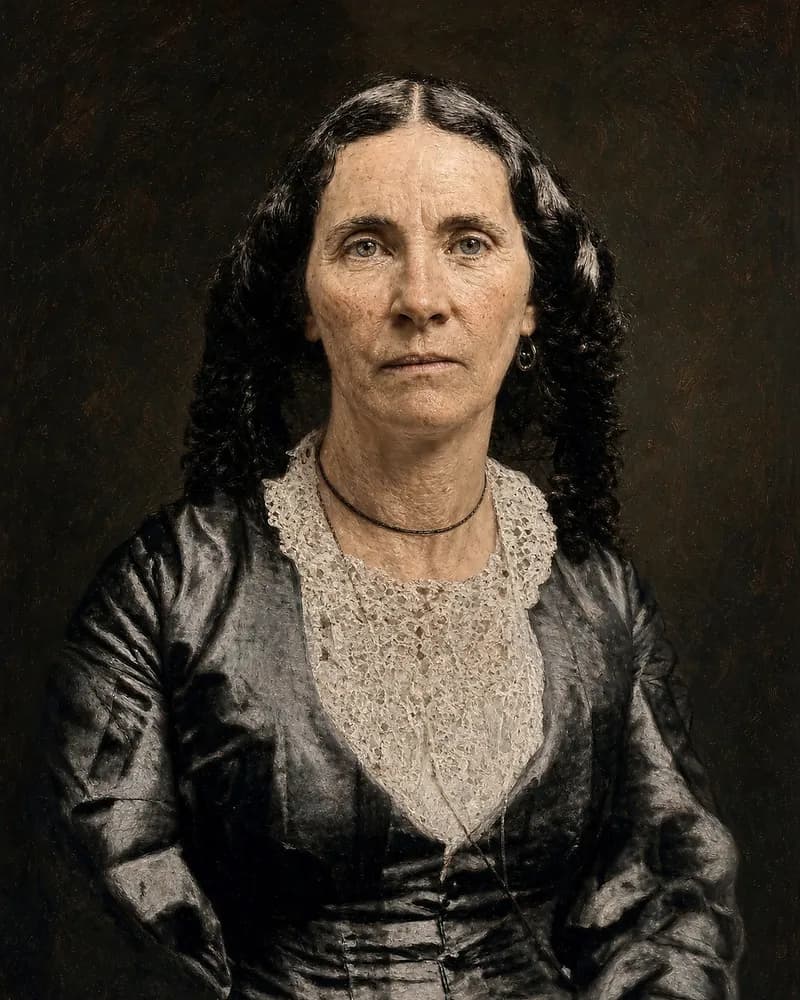 1817-1898Read biographyTrail diarist
Amelia Stewart Knight
Her day-by-day diary shows the 1853 crossing through the eyes of a mother caring for seven children while expecting an eighth.
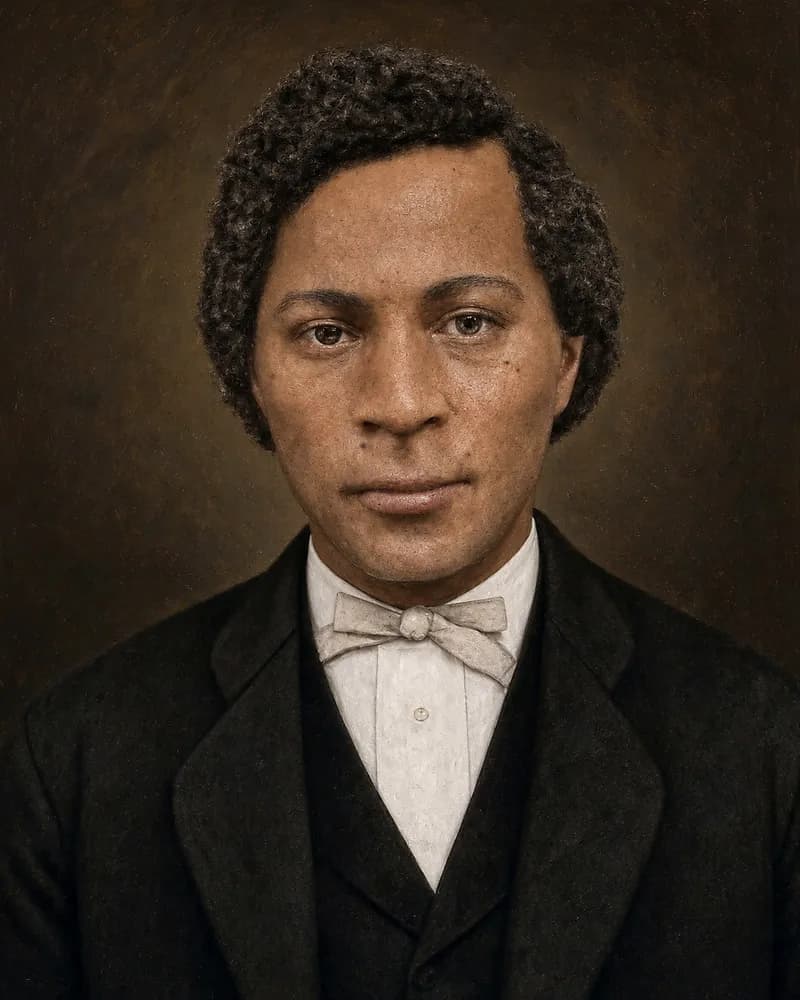 c. 1812-1882Read biographyWagon and ox yoke maker in Independence
Hiram Young
His Independence shop built wagons and ox yokes for the freighters and emigrants who started west from the head of the trails.
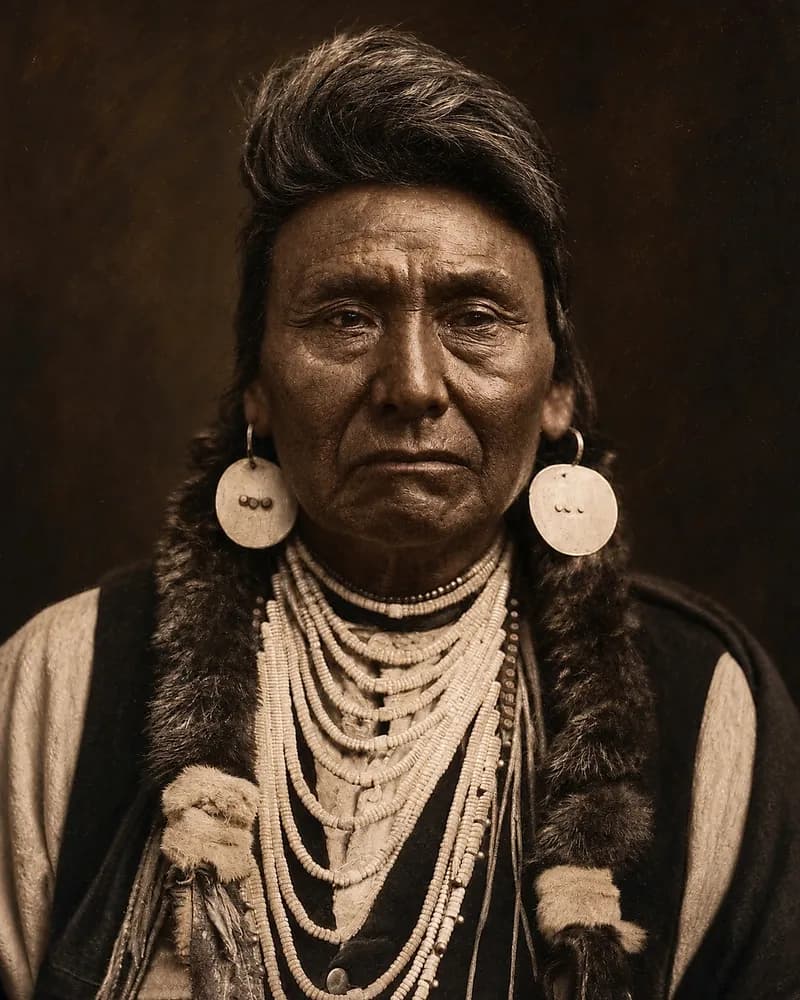 1840-1904Read biographyLeader of the Wallowa band of the Nez Perce
Chief Joseph
His fight to keep the Wallowa Valley shows what the settlement that followed the Oregon Trail cost the Nez Perce.
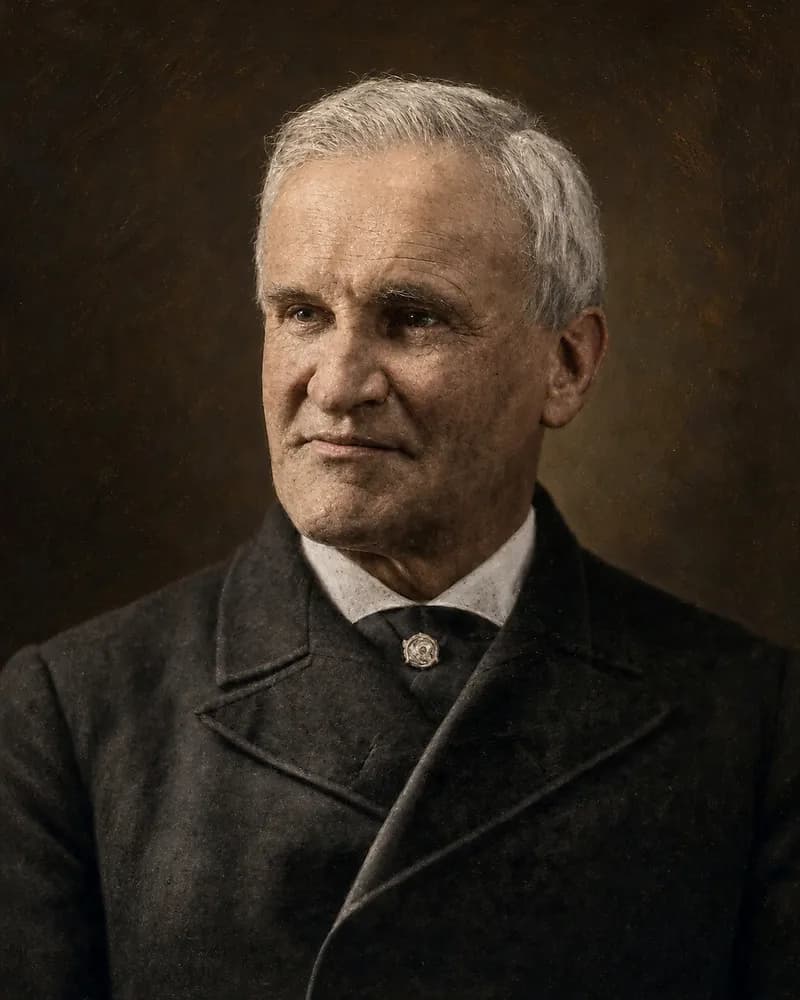 1823-1893Read biographyHistorian and travel writer
Francis Parkman
Wrote one of the best-known first-hand accounts of the trail and the Plains in 1846, and the book is still in print.
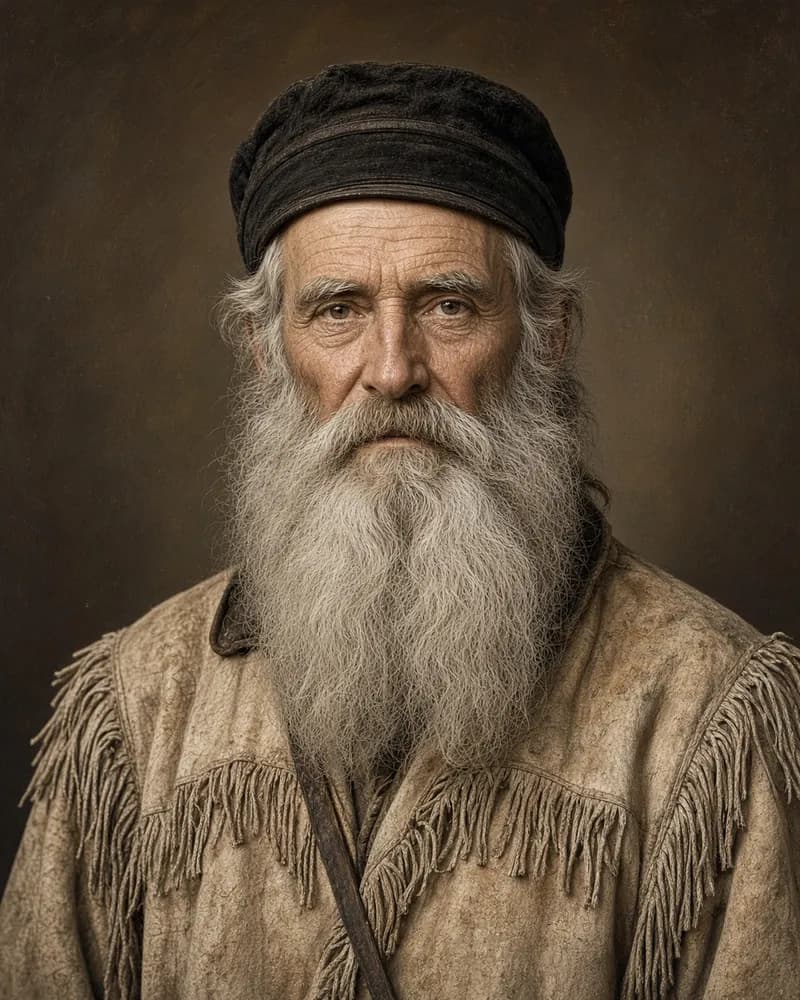 c. 1805-1889Read biographyTrapper and wagon guide
Stephen Meek
Led the first wagon train over the Meek Cutoff in 1845, a shortcut across Oregon's high desert that went badly wrong.
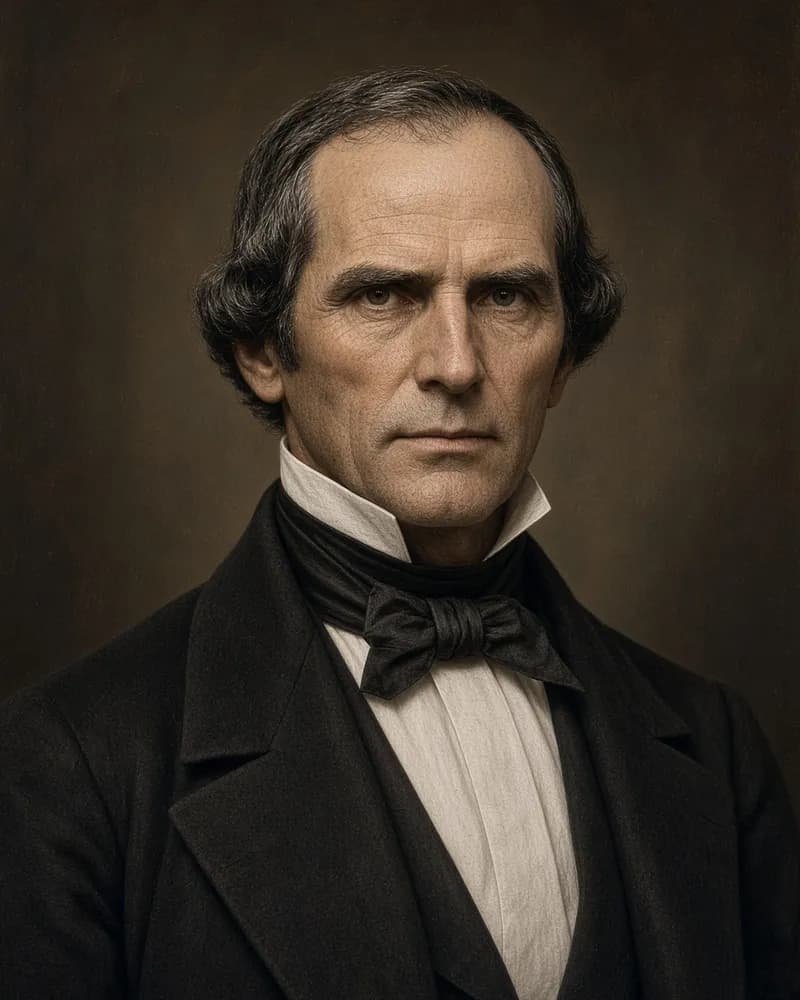 1819-1870Read biographyPromoter and guidebook writer
Lansford Hastings
Promoted the Hastings Cutoff, the untried shortcut that cost the Donner Party weeks on the way to California in 1846.
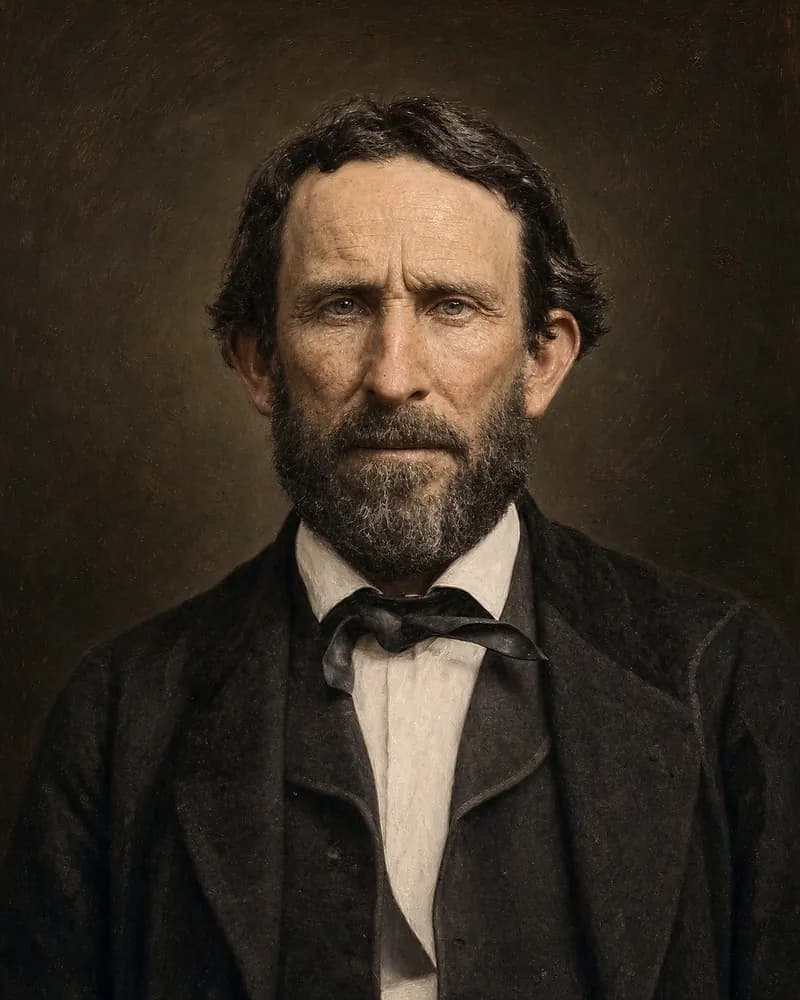 1800-1874Read biographyDonner Party organizer
James F. Reed
Organized the Springfield families who became the Donner Party, then led one of the relief parties that brought survivors out of the Sierra Nevada in 1847.
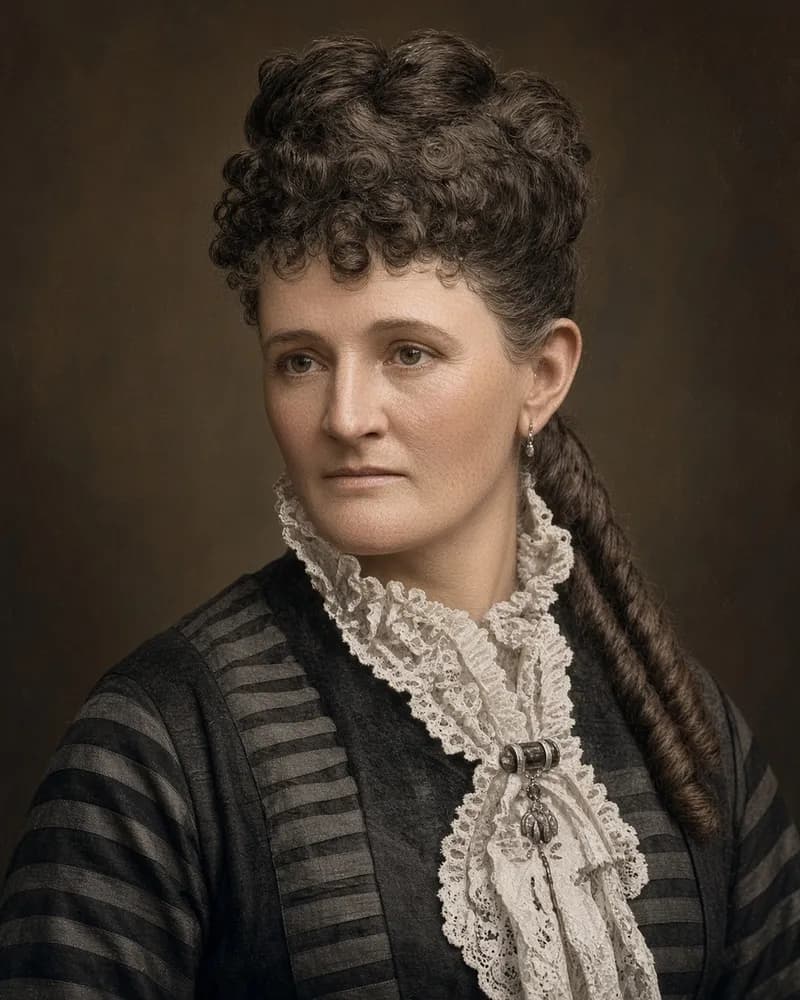 c. 1833-1921Read biographyDonner Party survivor and writer
Virginia Reed
Her letter of 1847 and her memoir of 1891 are among the best-known first-hand accounts of the Donner Party, written by a girl who lived through it.
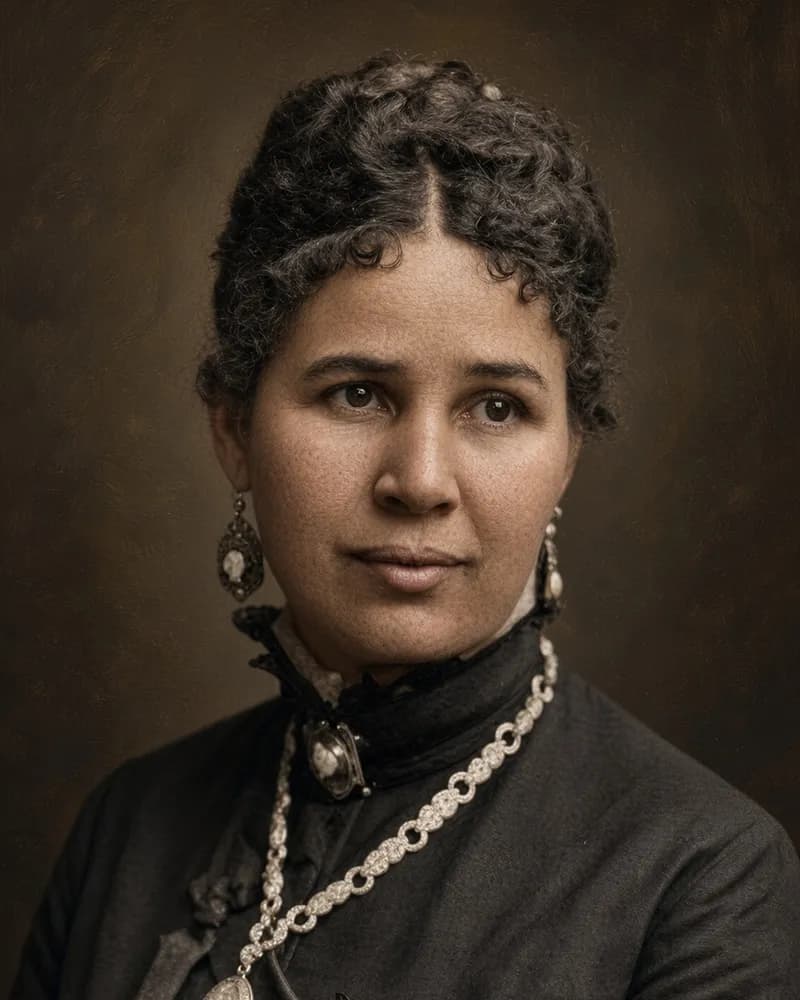 1801-1847Read biographyTeacher and Donner Party member
Tamsen Donner
A teacher who hoped to open a school in California, she wrote letters that describe the first months of the Donner Party's journey.
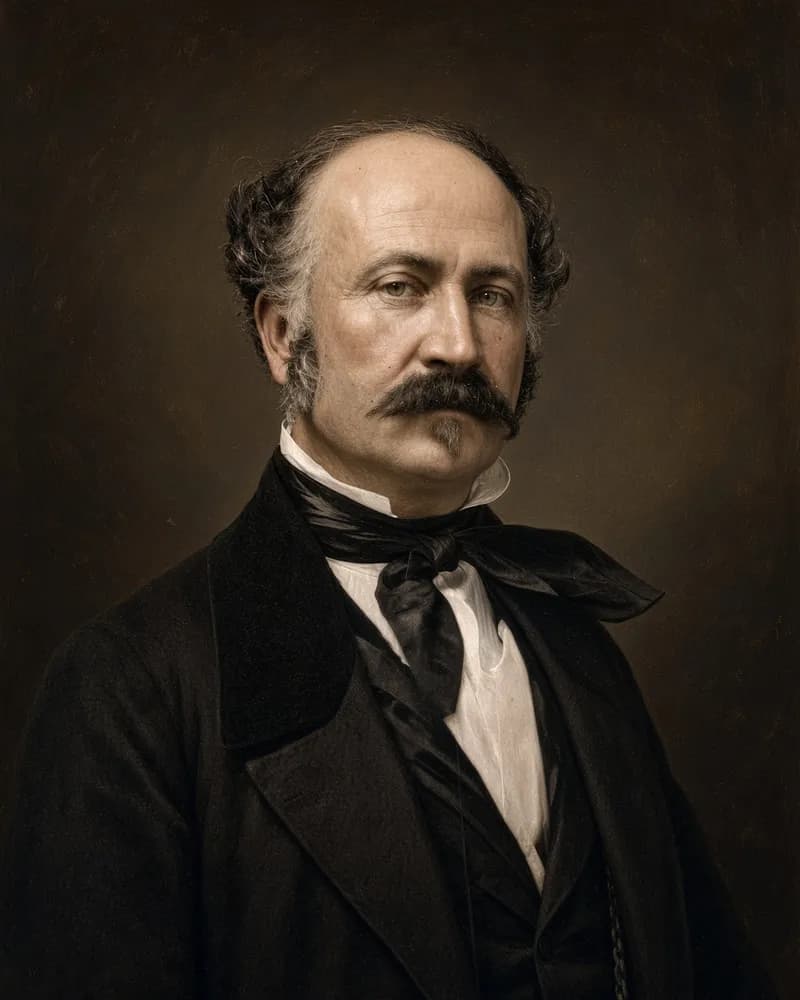 1803-1880Read biographyFounder of Sutter's Fort
John Sutter
His fort was the goal of most overland emigrants to California, and he sent food and mules to stranded parties, among them the Donner Party.
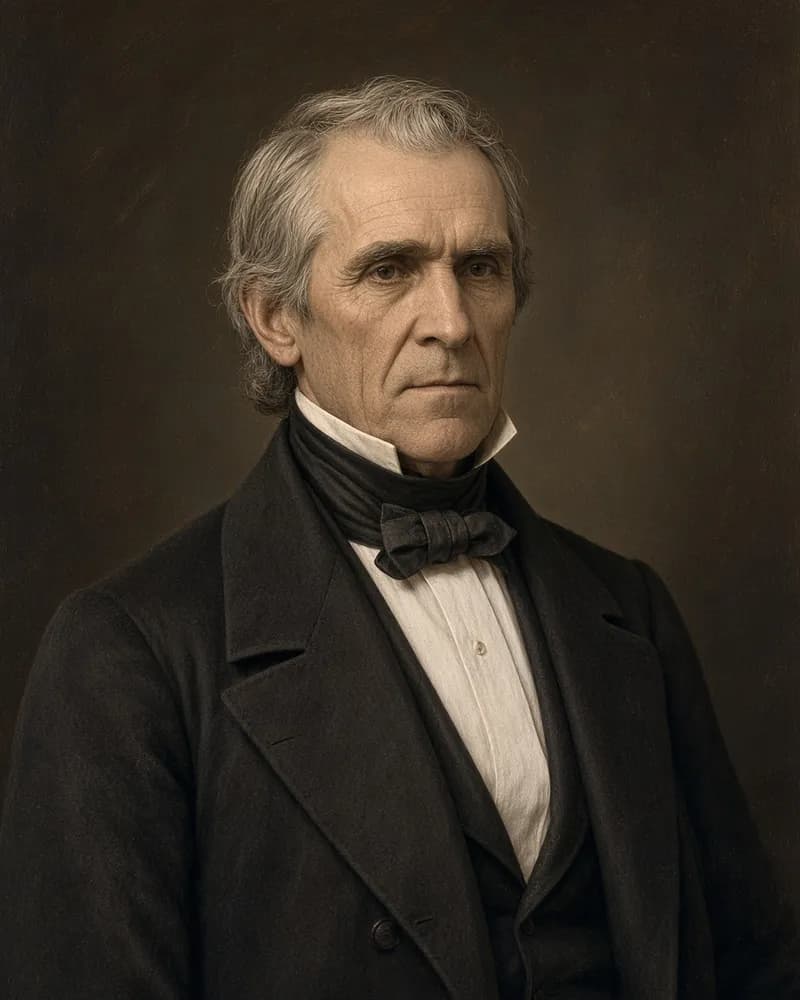 1795-1849Read biographyPresident of the United States
James K. Polk
Settled the Oregon boundary with Britain at the 49th parallel in 1846 and signed the act creating Oregon Territory in 1848.